Argyll Free Press

Growing News Network

Monday, February 2, 2026
Log in
  • Business
  • Finance
  • Sports
  • Tech & Science
    • HP Envy 4500 Review
    • LG Optimus 170 Review
    • iPod Touch 6th Generation Review
    • HTC One M8 Accessories Set-up
    • Surrealist Games You Must Play
    • Hisense Sero 8 Review
    • Dell Latitude e7440 Review
    • HP Laserjet 1536dnf mfp Review
    • Garmin Fenix 2 Review
    • Skype Vs Viber
    • Best Video Conferencing Software
    • Sony mdr 1r Headphones Review
    • Canon Rebel t3i Review
    • Sennheiser Momentum 2-0 Review
  • Travel
  • Headlines
  • Health
  • United States

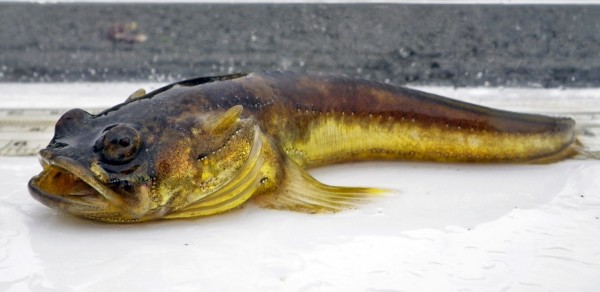
The Mystery of Singing Fish Revealed

September 27, 2016 By Kenneth Scott Leave a Comment

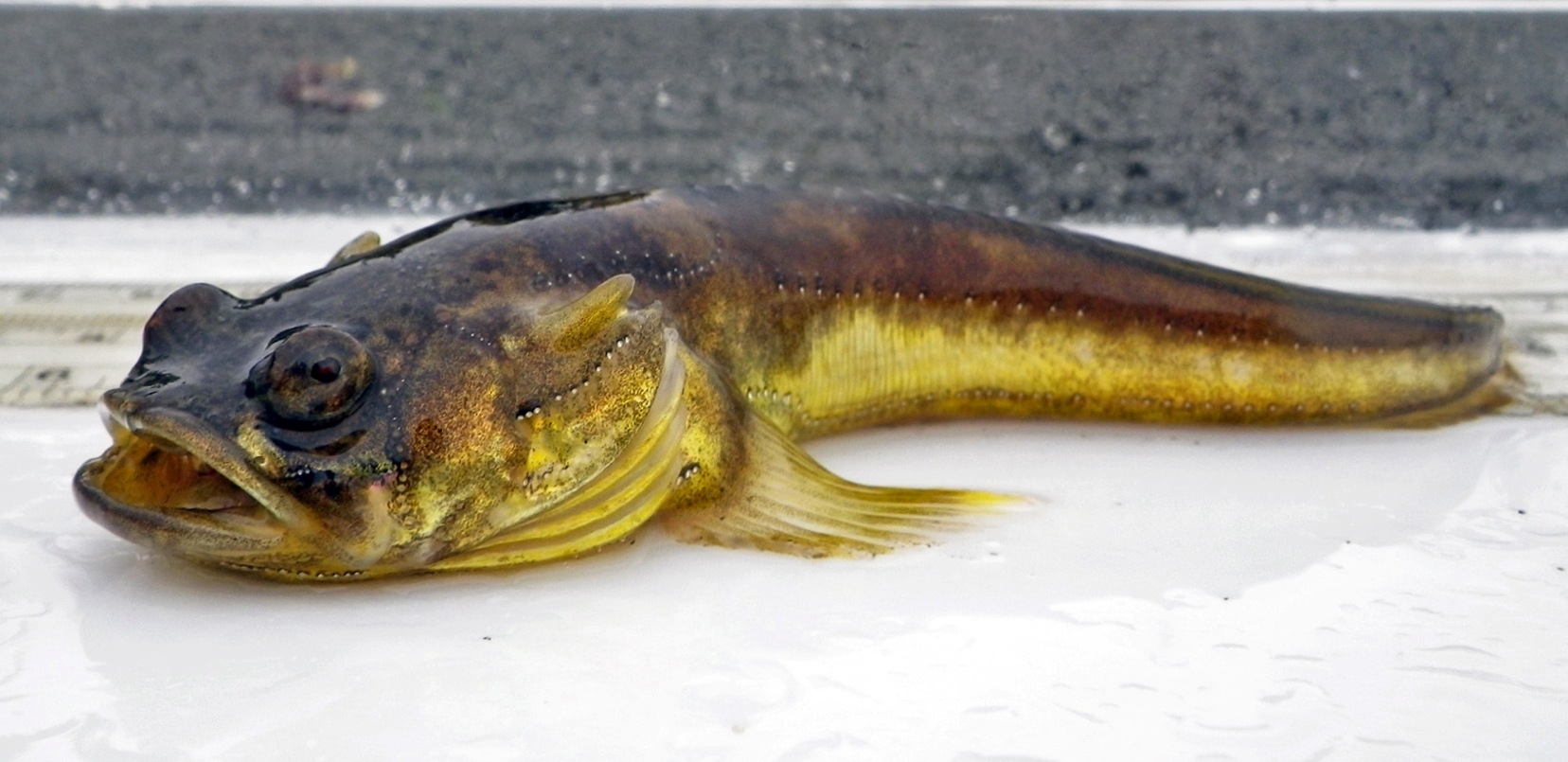
the singing fish attract mates with their songs

Researchers revealed the mystery of the singing fish at San Francisco Bay

The mysteries of the singing fish at San Francisco Bay have been recently revealed. Researchers discovered that the singing fish try to attract mates through their songs. However, they found how melatonin and daily light cycles support the fish in keeping a tab on the coordination of their humming from late evening to the morning.

Until now, scientists did not have much information on how Melatonin and the circadian rhythms work for fish and other nocturnal vertebrates that hum during the mating period. Other research regarding diurnal songbirds proved that melatonin enhances the duration of syllables when birds sing and suppresses singing at night.

However, the effect of melatonin on the singing fish is opposite to the effect on diurnal birds. The release of this hormone provides a signal for the fish to sing and similar to the diurnal birds, it also acts to lengthen notes when the fish hum.

Andrew Bass, the lead author of the study and a professor at the New York Cornell University, highlights that the hormones usually control the output of neural networks in the brain to manage distinct elements of behavior.

Relying on the timescale of response, from the duration of single calls to the day-night rhythms, one hormone can exert different or similar consequences in nocturnal vs. diurnal species.

For the study, researchers brought the midshipman fish also known as Porichthys notatus into a lab where they could modify the lighting for a better analysis of the fish’s reactions.

When the fish encountered constant darkness for seven days at a time, it still sang but on a 25-hour schedule so they began with one hour delay each night.

The researchers also examined what occurred to the melatonin’s effects on behavior when they exposed the fish to a ten-day constant exposure to daylight.

The findings proved that constant exposure to light suppresses the fish’s humming proving that the pineal gland provides melatonin in vertebrates but only in the nighttime. However, when the fish were given a melatonin replacement, they continued to sing, though without a rhythm and only at several random times a day.

Researchers also noted that the brain region also is equipped with melatonin receptors that control the social and reproductive behaviors including vocal initiation cores, similar to those found in birds and other vertebrates.

Image source: Wikipedia

Filed Under: Tech & Science

Smoker’s Perception Might Influence Their Addiction

September 14, 2016 By Kenneth Scott Leave a Comment

a smoker's addiction influenced by his belief

Recent study shows that an individual’s perception highly motivates a smoker’s addiction

Research suggests that the individual’s perception highly motivates a smoker’s addiction. The study wanted to show that the smoker’s brain could influence his belief about nicotine content.

24 nicotine-addicted people participated in the investigation and researchers noted that the smokers had to believe that the cigarette they smoke contained nicotine to satisfy their cravings.

The participant’s brains were analyzed with an fMRI machine immediately after they smoked.

The ones that were told they smoked a nicotine-free cigarette although they just enjoyed a regular one got no satisfaction from smoking. Moreover, people who were informed they smoked regular cigarettes although smoking nicotine-free smokes felt the pleasure of smoking.

The research participants were twice given a regular cigarette and twice a nicotine-free cigarette or a placebo. Moreover, they were once told the truth about the nicotine content and the other time, researchers lied about the content.

The fMRI scans proved that there was an enhanced action in the insula which is the region of the brain that manages a human’s desires for addictive substances, so, smokers had only satisfied their cravings when they were told their cigarette contained nicotine.

However, the individuals did not get the same satisfaction when smoking the placebo cigarette no matter what they were told.

The smoker’s rush of dopamine when nicotine enters the organism usually is what produces the good feeling which leads to satisfying the craving. This points us to the conclusion that when an individual is addicted, he craves the rush psychologically and physically. However, this satisfactions seems not to come when the smoker believes he is not getting any nicotine.

The findings of the study can change the way we look at quitting smoking. If we can counteract nicotine’s effect just by not believing, scientists think that there could be easier ways to stop than the patch or medicine. CDC stated that approximately 70 percent of the total smoker are considering quitting the habit, but only 6 percent of them will actually succeed to do so.

Symptoms of withdrawal will usually be encountered by people who stop smoking because their brain has rewired itself when dependent on nicotine. The symptoms which can range from fatigue, irritability, insomnia and depression to dizziness, stomach pains, tightness in the chest and difficulty concentrating represent the brain’s adjustment to not having nicotine in the organism anymore.

Image source: Pixabay

Filed Under: Health

Heart Patients Who Exercise More Can Decrease Their Medical Bill

September 10, 2016 By Kenneth Scott Leave a Comment

decreasing the medical bill by working out

Heart patients who work out regularly can considerably decrease their medical bill

Everybody is convinced that exercising more has many health benefits, but scientists have now revealed another cause which will give us reasons be more active, like a reduced medical bill.

A Recent study proves that individuals who exercise more tend to spend less money on medical charges than their sedentary equivalents. The reason for the decreased medical bill appears to be the actual consequences of exercising regularly on cardiovascular illness.

The manager of the Center for Healthcare Advancement and Outcomes, Khurram Nasir, said that although the benefits of working out for our health have already been analyzed, he and his colleagues have centered on the economic result that this activity could have.

The research utilized information from the 2012 Medical Expenditure Panel Survey, which analyzed 26,239 subjects over the age of 18. The scientist studied individuals with heart diseases including heart failure, coronary or peripheral artery condition, stroke or dysrhythmia.

They also paid close attention to people who encountered risks for heart illness like high cholesterol, high blood pressure, diabetes, smoking or obesity. One of the findings of the research showed that although more individuals understand the benefits of working out, not many decide to take action. Less than 50 percent of the participants without heart disease achieved the advised the weekly exercise goals.

The suggestion of the American Heart Association is that individuals should either engage in an intense exercise for three days a week for at least 25 minutes or reasonably exercise five days a week for a minimum of 30 minutes.

It also wasn’t a surprise that the participants with heart disease had increased health care expenses than their equivalents who had no cardiovascular illness. The notable difference was considered by the researchers between people with heart disease who exercised weekly and those who did not frequently involve in physical activities.

The findings of the study showed that people suffering from heart disease who worked out at the suggested levels spent more than $2,500 less on medical bills than the individuals with cardiovascular problems which did not work out. It was also showed that the people with at most one heart risk who exercised regularly, spent a standard $500 less on preventive expenses per year in contrast to their companions who did not engage in physical activities.

While there are some health issues that individuals cannot dodge, the risk of cardiovascular illness is highly decreased by exercise. Probably the new research will convince patients to be more active by highlighting that exercise could also save them money.

Image source: Wikipedia

Filed Under: Health

New Sensor Detects E-Coli and Deadly Bacterial Infections Faster

September 7, 2016 By Kenneth Scott Leave a Comment

E.coli could be identified in less than 30 minutes

The new sensor detects E.coli and other similar bacterial infections faster

Scientists at the Indian Institute of Technology-Kanpur (IIT-K) have developed a unique sensor that can identify E.coli and similar bacterial infections in water and food in less than 15-20 minutes. Usually, traditional lab experiments depend on the increase of the bacteria within the specimen, and it could last as long as several days.

A physicist at IIT-K, Saurabh Mani Tripathi, believes that the fast reply time for suitable detection and following remedy of bacterial infection, which is one of the biggest causes of death, is much needed.

The device was produced with the help of researchers at Photonics Research Centre at the University of Quebec. It works over extended temperature ranges to swiftly and cost-effectively recognize the possibly deadly E. coli.

The new sensor uses viruses that can quickly kill bacteria called bacteriophages. The viruses are chained to the exterior of an optical fiber. By grabbing the E.coli bacteria from a specimen, it keeps them attached. If a ray of light hits the surface, it signals bacterial contamination if E. coli is present.

Because the temperature variations can modify the characteristics of the materials, if the sensors are created to work at a proper temperature, if specimens get much colder or hotter, they will present inaccurate results.

However, the scientist discovered that by attaching an extra optical component it would cancel out temperature-induced variations.

Their device is temperature insensitive going up to 40-degrees Celsius from room temperature. The temperature range makes the device perfect for observing water reservoirs, for example.

E.coli is a bacteria usually encountered in foods, the environment, and intestines of animals. It is a wide and distinct group of bacteria. Though most strains of E. coli are inoffensive, some create a toxin that makes people sick.

A scientist at the Indian Institute of Technology Kanpur,  Saurabh Mani Tripathi, said that pathology labs and food industry laboratories could be two of the users of the new sensor. By adjusting the bacteriophage, the sensor can identify other strains of bacteria.

Collaborating with the Security and Protection International, Inc., the study group follows the commercialization of their invention. Despite the fact that it is tough to determine a value at this moment, researchers hope they will be ready to bring forth their portable device to users for a few thousand dollars.

Image source: Wikipedia

Filed Under: Tech & Science

New Fabric Could Cool Our Bodies

September 4, 2016 By Kenneth Scott Leave a Comment

new fabric will help us decrease body temperature in summer

Stanford University experts have created a new fabric that actively draws heat from the body.

In the hope that its cooling impact will help to reduce the dependence on tools such as air-conditioning, Stanford University experts have created a new fabric that actively draws heat from the body.

Staying warm in winter is a reasonably straightforward matter: as the temperatures drop, more clothes are used to maintain a comfortable temperature. But what is the solution when we encounter those summer days along with the sun that beats down and the humidity that increases, and we find ourselves hopeless in search of a cooler place? Undressing can only accomplish so much before modesty starts to kick in. So, we begin readjusting our conditions and pumping up the air-conditioning.

Researchers mentioned that the high-tech material could distribute body heat better than other conventional fabrics and obstruct the sun’s rays. When the material was wrapped on a mannequin that mimicked the answer of human skin through remarkably warm temperatures, the synthetic skin’s temperature increased by only 0.8 degrees Celsius.

It was much less than in the case of cotton when a 3.5 degree Celsius rise occurred. In the event of polyethylene, also known as the fabric sportswear is made of, there was an increase of 2.9 degrees Celsius.

Blending photonics, nanotechnology, and chemistry to enable the body to release heat more quickly than conventional textiles, the new fabric would cause the wearer to be about 4 degrees Fahrenheit cooler. It is known to do so by enabling not just the evaporation of sweat but also by letting the bodies’ infrared radiation move through.

A Stanford professor and co-author of the research, Shanhui Fan, mentioned that forty to sixty percent of our body heat is dispersed as infrared radiation when we are resting in an office. Nonetheless, until now, there has been no examination on creating the thermal radiation properties of textiles.

The polyethylene which is usually used in the kitchen as the transparent plastic food wrapping already enables infrared radiation to cross through. Nevertheless, being see-through, scientists believed that it is not the most functional fabric for clothing. They discovered a similar alternative of polyethylene, which still lets infrared radiation move through, but this time is opaque.

Image source: Pixabay

Filed Under: Uncategorized

Donald Trump ’s Doctor Sued For Overmedicating Patients

August 31, 2016 By Kenneth Scott Leave a Comment

Donald Trump's doctor accused of malpractice at least three times

Donald Trump’s doctor has been sued since 1992 at least three times by families of deceased patients

Donald Trump’s doctor who wrote Republican presidential candidate’s certificate of health has been sued since 1992 at least three times by families of deceased patients who assume he recommended their loved ones high doses of dangerous medicines.

Dr. Harold Bornstein reportedly paid $86,250 to a previous patient’s husband in 2002 to resolve a lawsuit claiming that Bornstein had overmedicated his spouse with unneeded, powerful prescriptions, which encouraged her addiction, and eventually her death.

Two of the lawsuits testify that the gastroenterologist improperly authorized powerful medications which conducted to the death of patients. Both the cases were completed with no verdict of liability against Dr. Bornstein before jury trials.

Last week, the same doctor had declared that he had signed a clean bill of health for Trump in five minutes. Bornstein, who has worked as Trump’s gastroenterologist since 1992, published a four-paragraph letter declaring the 70-year-old billionaire has an extraordinary health condition implying that if elected, he could be the healthiest president in history. It occurs at a time when the fundamental focus of the 2016 presidential campaign is health.

Questions have swirled about Bornstein’s competence and methods since Donald Trump published his certification of health which looks as if he wrote it himself and Bornstein solely signed the bottom of the document.

During the Trump campaign, he has been stating that Hillary Clinton, the Democratic nominee is suffering from some diseases which could affect her capacity to carry out her responsibilities if chosen the new US president. But while she hasn’t commented on Trump’s medical condition, the Republican presidential nominee, and his staffers have dispersed gossip that Clinton is attempting to hide medical problems.

Kenneth Levin had testified that Dr. Bornstein was irresponsible, negligent and ignorant in treating his wife, Janet Levin and failed to accurately diagnose the plaintiff. He also wrongfully prescribing morphine and valium, especially in light of the history of drinking. Keneth also stated that the doctor has failed to provide treatment for the patient and ended up overmedicating the decedent.

Moreover, another family member mentioned that he also prescribed medicine that was unbalanced for her physical weight and she winded up dying.

Lorraine Pollifrone suggested that Bornstein caused her husband’s death during a colonoscopy by improperly medicating him in 2000.

Image source: Twitter

Filed Under: Health

Biofuels Might Be Worse For Environment Than Gasoline

August 27, 2016 By Kenneth Scott 1 Comment

biofuels are worse for environment than gasoline

When it comes to the discharges that cause global warming, biofuels are more damaging than gasoline.

According to a new study from the University of Michigan, biofuels industry which has been highly encouraged and expanded for over a decade by the federal government may be created on a false supposition.

One might think that plants should be a carbon-neutral source of fuel. They absorb carbon dioxide while they develop so when they’re turned into fuel and consumed to produce power, carbon dioxide travels back into the atmosphere.

Well, the study’s lead author, John DeCicco, who is a research professor at UM’s Energy Institute believes that when it comes to the discharges that cause global warming, biofuels are more damaging than gasoline.

The study, based on U.S. Department of Agriculture crop production data, reveals that during the years when U.S. biofuel production quickly ramped up, the enhanced carbon dioxide uptake by the crops was only sufficient to offset 37 percent of the CO2 emissions due to biofuel combustion.

Researchers assume that growing biofuel use has been linked to a net increase — rather than a net reduction, as many have declared — in the carbon dioxide emissions that generate global warming.

Moreover, the grounds of policies used to encourage biofuels for reasons of climate have now been shown to be scientifically inaccurate.

The novelty of these data is that they come straight from America’s croplands and are now confirming the worst concerns about the harm that biofuels do to the planet.

When witnessing the big picture, one could observe that not enough carbon is being withdrawn from the atmosphere to adjust what’s coming out of the tailpipe.

In response to policies, such as the U.S. Renewable Fuel Standard, the use of biofuels to replace petroleum has increased over the last decade.

Consumption of liquid biofuels, principally corn ethanol, and biodiesel has raised only in the United States from 4.2 billion gallons in 2005 to 14.6 billion gallons in 2013.

The environmental justification rests on the theory that biofuels, as renewable options to fossil fuels, are inherently carbon neutral because the carbon dioxide delivered when they are burned was procured from CO2 that the organic corn or soybean plants extracted from the atmosphere through photosynthesis.

DeCicco and his colleagues examined real-world information on crop production, vehicle emissions, and fossil fuel production without assuming that biofuels are carbon neutral.

Image source: Wikipedia

Filed Under: Tech & Science

McDonald’s Recalls Fitness Trackers Due To Reported Skin Rashes

August 20, 2016 By Kenneth Scott Leave a Comment

fitness trackers

McDonald’s has begun recalling its fitness trackers due to reported skin rashes

McDonald’s, which is the world’s largest toy distributor has begun recalling its fitness trackers with children’s Happy Meals after reports of the wearables causing skin irritations.

As of 2001, the fast-food chain was giving away 1.5 billion toys annually. 20 percent of all their sales include a toy and they presumably sell more than 75 hamburgers a second. Apparently, this kind of volume doesn’t come without some quality control issues and the fitness tracker isn’t the first fail that the company suffered.

After widespread complaints of the trackers causing skin rashes, McDonald’s removed the trackers from their locations in the United States and Canada.

In an attempt to rebrand itself as a healthier option McDonald’s recently started sharing fitness trackers with their Happy Meals. Nobody ever knew where they came from, just that they were made by McDonald’s. Unfortunately, the first rule of wearables which is making sure they aren’t toxic to human skin wasn’t followed by the company.

In 2010 they had to recall the Shrek-themed drinking glasses which contained cadmium, a carcinogen that can generate bone softening and severe kidney damage. Also, in 2014, choking problems were reported because of Hello Kitty toys. Moreover, despite loads of reports that the prerecorded voice in the Minion-based toys was uttering curse words, McDonald’s refused to recall them.

McDonald’s has been holding controversial McTeacher’s Nights for years in which teachers will work for McDonald’s. In exchange, a part of the revenue will go to their school. As children respect and trust their teachers, this is a way of selling kids junk food which had been highly criticized.

The fast-food chain also found the best way to ingratiate to busy parents and kids under 13 by offering a free McMeal to kick off the school year. They do so, in the hope of this habit becoming a part of the morning routine. In Houston, the company offers free breakfast to teachers and students in third through eighth grade.

McDonald’s U.S. President Mike Andres mentioned the importance of their presence in schools.

Attempting to improve their reputation, the company even started promoting salads but that backfired when it was proved that a salad had more calories than a Big Mac.

Image source: Flickr

Filed Under: Health

South Carolina is Infected with a Rare Brain-Eating Amoeba

August 4, 2016 By Kenneth Scott Leave a Comment

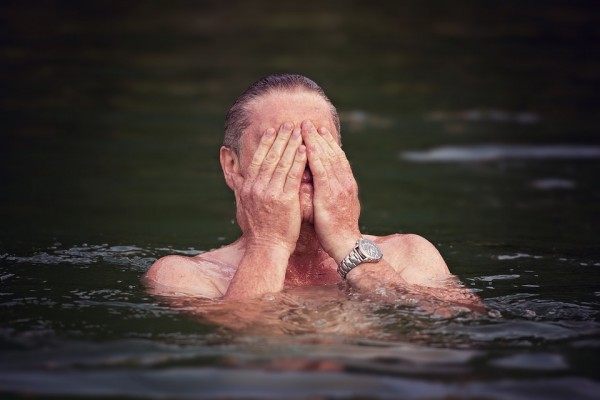
rare brain-eating amoeba

This rare brain-eating amoeba has infected over 37 people between 2006 and 2015 in the United States.

This rare brain-eating amoeba has infected over 37 people between 2006 and 2015 in the United States. The last person seems to have caught the amoeba while swimming on the Edisto River in Charleston County.

The amoeba is proved to live in rivers and lakes in warm water locations. When it enters the human, it uses the human brain as a food source, but this creature usually feeds on bacteria.

The infection is named naegleriasis and symptoms appear after about a week after one has caught the disease. Vomiting, extreme headaches, fever, and nausea seem to be among the symptoms. After the infection is well spread in the human brain, symptoms include lack of attention, loss of balance, hallucinations, confusion and a stiff neck that are usually followed by death.

It is known that the mortality rate when contracting this amoeba is 99 percent, the victim practically suffers from both a brain infection and meningitis.

According to media reports, three people died a few days earlier from this infection after swimming in the Trinity River in Texas.

The diseases are very rare, so specialists assure us that we do not have to worry every time we go swimming in warm waters.

A pharmaceutical company has sent the hospital treating the infected patient a drug called miltefosine. It was initially invented in the 1980s to fight cancer, and it is well known to fight diseases caused by parasites transmitted through flea bites, tropical climates or sand. The treatment with this drug costs around $48,000

It’s difficult to contract the amoeba because you must first swim in the waters the amoeba can be found in, and secondly, you must jump feet-first in the water in a way that the amoeba –containing water would go up your nose with a force that will propel it close to your brain. Most often, the amoeba dies before causing the infection.

Doctors recommend holding your nose or using nose plugs when jumping in the water because just drinking the water containing the amoeba doesn’t contaminate you. Specialists also assured that salty waters are not an enabling environment for the amoeba and the infection cannot be spread through contact with another person.

Image source: Wikipedia

Filed Under: Health

Evan Blass Tweets Release Date of Apple’s iPhone 7

July 24, 2016 By Kenneth Scott Leave a Comment

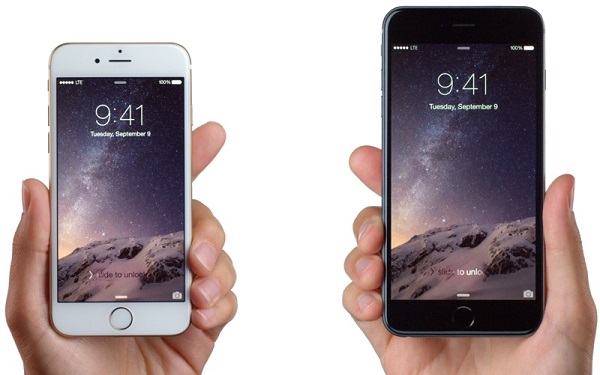
Apple's iPhone 7

The day is nearly upon us, folks. According to a reputable source, the much-awaited iPhone 7 will apparently hit the shelves no later than Friday, September 16th.

Apple itself has yet to confirm or deny this rumor, but according to a tweet sent out by leaker Evan Blass, the next flagship handset will soon be released. The not-yet-official release date was originally not as precise, as Blass first posted that was going to release the new iPhone during the week of September 12.

Soon after his first tweet, people started replying about the confusion as to whether or not that date referred to the iPhone 7’s unveiling or the launch event. A follow-up tweet published on Saturday, July 23, quickly cleared things up.

Keeping in mind Blass’ unblemished track record regarding Apple rumors and the company’s history in releasing iPhones, it’s a safe bet that crowds have already planned to line up outside of Apple retail stores around the country on September 16.

Just to give some context for the rumor, some of the readers remember that the iPhone 6s was released by Apple on September 25 and iPhone 6 on September 9. Everything fits in place.

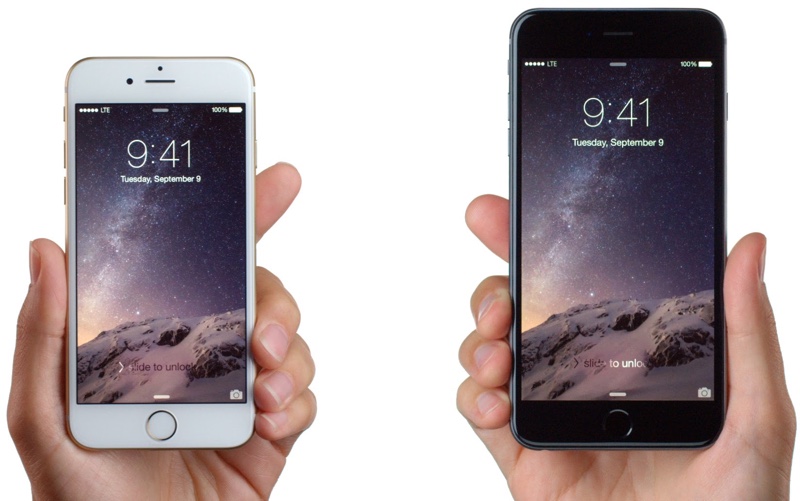
Apple's iPhone 7 rumored specs

If that release date is true, it’s also easy to deduce the unveiling of the iPhone 7 will most likely be scheduled about 10-14 days prior to that. A quick glare at the calendar tells us that Tim Cook and co. might actually hit the stage on September 6 or 7, introducing the new smartphone to the world.

Meanwhile, how much do we know about the features included in the next-gen iPhone? According to pretty much every rumor out there, Apple is most likely saving the jaw-dropping features for the iPhone 7s (which may or may not be released as iPhone 8).

At the same time, the iPhone 7 is not to be overlooked, because a lot of interesting things could be rolling with it. In large part, those might be related to a huge advance forward in terms of camera technology.

But whether or not a dual camera system will be included, or whether iPhone 7 will be significantly larger, the truth is these are all rumors still. If Blass is to be believed, we might soon be sure, as we hold Apple’s new baby in our hands.

Image Sources: 1, 2

Filed Under: Tech & Science

  • « Previous Page
  • 1
  • …
  • 5
  • 6
  • 7
  • 8
  • 9
  • …
  • 33
  • Next Page »

Subscribe to Blog via Email

Enter your email address to subscribe to this blog and receive notifications of new posts by email.

Join 10 other subscribers

Recent Articles

police handcuffs man

German Man Probed In Poisoning That Killed 21 Employees Since 2000

June 29, 2018 By Kenneth Scott Leave a Comment

Chicken wings bar

Intoxicated South Carolina Man Punches Waitress Who Refused to Serve Him Alcohol

June 29, 2018 By Karen Jackson Leave a Comment

gaming

New Zealand gamer Who Flew Halfway Across The World for Virginia Teen Gets Shots By Her Mother

June 28, 2018 By Cristopher Hall Leave a Comment

party

Former Virginia Tech Freshman Sentenced to 50 Years in Prison for Stabbing a Girl to Death

June 28, 2018 By Roxanne Briean Leave a Comment

bonfire

British Couple Sentenced to Life in Prison for Torturing and Murdering French Nanny

June 27, 2018 By Deborah Campbell Leave a Comment

pay phone

Texas Father of Girl Disappeared in the 80s Ignored by Authorities

June 26, 2018 By Cristopher Hall Leave a Comment

bottled water

San Francisco Woman Threatened to Call Police on Girl Who Sold Ice Water for Disneyland Trip

June 25, 2018 By Roxanne Briean Leave a Comment

Maplewood Park

Missouri Man Robbed by Date and Accomplice in Park

June 22, 2018 By Nancy Young Leave a Comment

coding

New York Man Sentenced in Cyberstalking Former Girlfriend, Mailing Drugs to Her Dorm

June 22, 2018 By Deborah Campbell Leave a Comment

headphones

Bose Poised to Launch Sleepbuds, In-Ear Headphones That Help You Sleep

June 21, 2018 By Nancy Young Leave a Comment

Police light

Intoxicated Female Driver in Custody for Pulling Arresting Officer by the Hair

June 21, 2018 By Kenneth Scott Leave a Comment

kitchen

Restaurant Manager Arrested and Charged in Shooting Death of Co-Worker over Negative Yelp Reviews

June 20, 2018 By Karen Jackson Leave a Comment

plastic container

Pennsylvania Couple Charged in Violent Death of Infant Discovered Buried in Cat Litter

June 19, 2018 By Cristopher Hall Leave a Comment

tailpipe

Minnesota Teen Gets Head Stuck In Oversized Tailpipe Winstock Music Festival

June 18, 2018 By Karen Jackson Leave a Comment

Pages

  • About Us
  • Contact us
  • Privacy Policy
  • Privacy Policy GDPR
  • Staff
  • Terms and Conditions

Recent Posts

  • German Man Probed In Poisoning That Killed 21 Employees Since 2000 June 29, 2018
  • Intoxicated South Carolina Man Punches Waitress Who Refused to Serve Him Alcohol June 29, 2018
  • New Zealand gamer Who Flew Halfway Across The World for Virginia Teen Gets Shots By Her Mother June 28, 2018
  • Former Virginia Tech Freshman Sentenced to 50 Years in Prison for Stabbing a Girl to Death June 28, 2018
  • British Couple Sentenced to Life in Prison for Torturing and Murdering French Nanny June 27, 2018
  • Texas Father of Girl Disappeared in the 80s Ignored by Authorities June 26, 2018
  • San Francisco Woman Threatened to Call Police on Girl Who Sold Ice Water for Disneyland Trip June 25, 2018

Categories

  • Business
  • Entertainment
  • Finance
  • Headlines
  • Health
  • Life
  • Nature
  • Science
  • Sports
  • Tech & Science
  • Travel
  • Uncategorized
  • United States
  • World

Copyright © 2026 ArgyllFreePress.com
About · Privacy Policy · Terms of Use · Contact