Argyll Free Press

Growing News Network

Tuesday, December 23, 2025
Log in
  • Business
  • Finance
  • Sports
  • Tech & Science
    • HP Envy 4500 Review
    • LG Optimus 170 Review
    • iPod Touch 6th Generation Review
    • HTC One M8 Accessories Set-up
    • Surrealist Games You Must Play
    • Hisense Sero 8 Review
    • Dell Latitude e7440 Review
    • HP Laserjet 1536dnf mfp Review
    • Garmin Fenix 2 Review
    • Skype Vs Viber
    • Best Video Conferencing Software
    • Sony mdr 1r Headphones Review
    • Canon Rebel t3i Review
    • Sennheiser Momentum 2-0 Review
  • Travel
  • Headlines
  • Health
  • United States

You Must Install Facebook’s Moments App to Keep Backed-up Photos

June 14, 2016 By Kenneth Scott Leave a Comment

alt= Facebook moments app

Facebook is forcing yet another app down its users’ throats. Remember when Messenger became a standalone app? Soon, you won’t be able to check your Facebook messages outside the dedicated platform.

Such is the case of the company’s photo-sharing app, Moments; according to a recent report, all images synced from the main Facebook app will be automatically deleted by July 7, unless people save them or install the Moments app.

The photo-sharing app was launched in June 2015, but before that, the syncing feature was integrated into the world’s largest social network. Many smartphone owners use the back-up option, as Facebook promised mobile users they would get unlimited automatic image uploads to a private Facebook photo album.

It was a simple way for people to be assured their photos were backed up – much like other services, including Apple’s iCloud Photos, Google’s Photos, or Yahoo’s Flickr.

But a new official announcement revealed that in early July, Facebook will remove all photos that are not from the synced album. The period between now and the deadline was offered for users to be able to download the photos they want to keep.

The social network had already stopped supporting automatic photo syncing from its main app back in January, which then required users to download the Moments app if they wanted to continue uploading their snapped photos. Now, the Moments app is required to sync photos.

Facebook explained that the privately-synced images were moved to Moments in January and if people do not want to install Moments, they should download the images from their Facebook profile before the deadline.

As we explained previously, this move is not completely foreign to Facebook’s practices. The private messaging option that used to be included in the main app was recently split and turned into a standalone platform.

Users were required to install it if they wanted to keep on chatting, which led to the Messenger app boasting more than 900 million users. The broader purpose of these new apps is to create a gargantuan platform and attract new Facebook users.

Since the announcement, Moments has started skyrocketing on app charts, becoming the third most popular free iOS app in the United States.
Image Source: Phandroid

Filed Under: Tech & Science Tagged With: Facebook, Facebook forces users to install Moments App, Facebook Moments app, Facebook tech giant, Messenger platform

State Judge Orders 72-Hour Shutdown of WhatsApp in Brazil

May 4, 2016 By Cristopher Hall Leave a Comment

'WhatsApp Icon'

The judicial order to interrupt the tremendously popular chat service for 72 hours affected nearly 100 million Brazilians

On Monday afternoon, 100 million Brazilians were declined access to the popular messaging service WhatsApp after one state judge decided to suspend the service for 72 hours. Mobile operators that failed to comply with the ruling risked a fine of $142,000 per day.

But after an emergency appeal, the service was back Tuesday afternoon.

About half of Brazil’s population uses the service. In the South American country, WhatsApp is even more popular than Facebook, which owns the app. About 91 percent of Brazilian phone users use the service to chat for free. Worldwide, 900 million users log in WhatsApp every day.

Judge Marcel Maia Montalvão, who issued the order, has eyed Facebook once more a couple of months ago when he ordered the arrest of the company’s VP for South America, Diego Dzodan, for failing to hand over sensitive information to investigators in a drug-trafficking case.

Dzodan was locked up for 24 hours. But he argued before an appellate court that the encryption used by cell phones didn’t allow Facebook to have access to any communication.

In the wake of the recent ruling, WhatsApp executives said that they cannot hand over information that they currently don’t have. According to a national newspaper, the judicial order to shutdown the service for three full days is related to the same drug-trafficking case.

The deadlock, however, stems from a larger controversy over the appropriateness of the use of end-to-end encryption offered by some tech companies to protect their users’ privacy. When such encryption is set in place, only phone users can read the content of their communication, not the companies themselves.

But the move is not well-tolerated by government agencies that are either involved in criminal investigations or mass surveillance programs. The issue often resulted in nasty PR wars such as the Apple-FBI standoff we all have witnessed last month.

Because of end-to-end encryption, WhatsApp was unable to comply with a subpoena that demanded critical information on specific users of the service. So, the situation led to the judicial order that blocked the service nationwide on Monday.

Around the world, some governments are already taking steps to ban end-to-end encryption from their residents’ mobile phones. The White House, as well, has recently contemplated legislation to create backdoor access in encryption for federal agencies.

Image Source: Flickr

Filed Under: Tech & Science Tagged With: Brazil, Facebook, whatsapp, WhatsApp in Brazil, WhatsApp shutdown

Facebook Opening New Doors for Article Writers

March 8, 2016 By Cristopher Hall Leave a Comment

posting articles via the Instant Articles feature

Another partnership that Facebook has made with the developer of leading publishing software WordPress brings writers an easier method of posting articles via the Instant Articles feature. This new update hasn’t been noticed by a great number of users so far as the feature in question was only pushed to a limited and rather small number of publishers. However, come April 12th, the new feature, and the WordPress integration will be made available to the entirety of Facebook users, writers, bloggers and regular users alike.

So thanks to this Facebook – Automattic partnership, writers will be able to post, modify and update content even easier than before thanks to the direct WordPress plugin that will exist within Facebook itself. While it may not seem like a groundbreaking implementation, the Instant Articles feature will greatly assist those accounts that are connected to both platforms.

It is estimated that more than twenty-five percent of all the websites that exist worldwide are powered by the WordPress publishing software. Along with all the benefits of having both your editing and publishing tools along straight into the media environment that you wish your posts and articles to reach, the WordPress plugin has another several functionalities. One such functionality is the provided ability for content creators to adapt the format of their blogs and articles to suit mobile versions of their articles. This will increase the readability, the format as well as the loading times of said webpages on mobile means.

This new Instant Articles feature also includes several optimization improvements for media and visuals for the content creators’ articles. During its preview demonstration, developers showcased how the plugin can benefit writers using a demonstrative example from the Foreign Policy magazine – with and without the Instant Articles feature.

According to Chris Ackermann, a Facebook engineer that has also worked on the development of Instant Articles integration, there are two ways in which publishers can use the tool. The more fundamental method entails only activating the plugin to create Instant Articles when they use standard WordPress templates. Alternatively, the tool also offers a more detailed and customized production feature for those who wish it, allowing you to make use of multiple additional features.

Considering the partnership with WordPress, the Instant Articles feature may gain a lot more ground in the near future. While the Facebook feature has existed since last year, there weren’t many publishers who were able to make use of it.

Now, with the addition of the WordPress plugin as well as the benefits regarding advertising revenue, a larger number of users may start using it once it goes live globally in April.

Image Source: 1

Filed Under: Tech & Science Tagged With: Facebook, Facebook WordPress integration, Instant Articles Feature, WordPress

The Implications of Facebook’s New Reactions

February 26, 2016 By Deborah Campbell Leave a Comment

The Implications of Facebook’s New Reactions

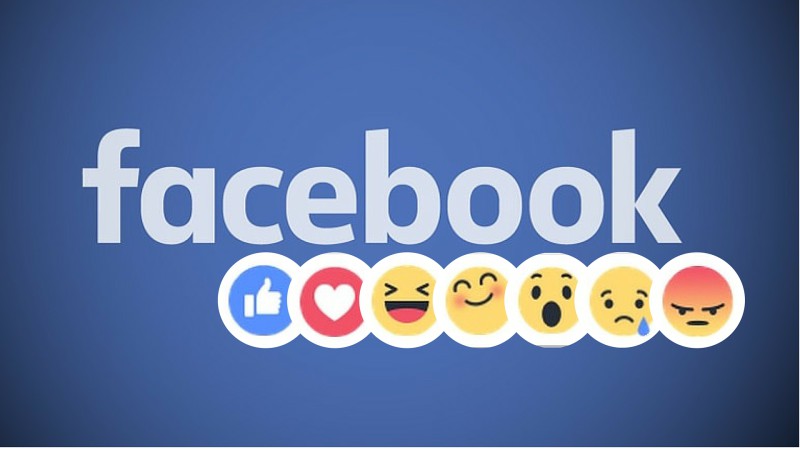
They have only been out for a couple of days at best and yet the implications of Facebook’s new Reactions system are already being thoroughly studied and discussed by both official staff as well as multiple blogs or individuals who feel like they have something to share. The Reaction system is something that downright threatens to change the very essence that has been captured and known as Facebook for the past several years.

But then again, everything must change at one point and Facebook made the step. According to the company, the current reaction system which sums up to Like, Love, Haha, Yay, Wow, Sad and Angry were the result of an entire year of research and development in order to come up with. And that is one year after the 2 years of testing the territory and thinking of methods to apply the intention.

And the team that worked on the project was comprised of more than just Facebook employees. An entire team coming from UC Berkeley’s Greater Good Science Center, led by Dacher Keltner – the founder, director and psychology professor – was on the job of developing the new Reaction system.

The series of conclusions that led to the creation of just the 6 new reactions that you can find on Facebook as of right now came from a selection of many more. And making the final selection of emotions that would be depicted in the reaction system took a lot longer to decide. Keltner mentioned in his research that he learned that scientists study more than 20 emotions present in human beings.

But Facebook had to find a series of reactions that would be recognizable to people all around the globe and not something limited to one particular space instead. From a selection of 50 emotions that were sent to the Facebook Reactions team by Pixar illustrator Matt Jones, the team had to choose just several that could best describe the selection of emotions that Facebook users would want to express without any further comment.

However, now that the Reactions system is complete and the issue of covering a wide enough selection of emotions that people may want to display to posts on Facebook, some individuals are not slow to express their concern over the effect of these additions. Multiple people are reporting the fact that the new system may overrun the classic version of actually typing out replies to people’s posts.

Even one of the people working on the team that developed the Reactions system expressed her concern that the new emojis may end up being misused and even abused in various circumstances. This is the internet after all.

How do you feel about the new Reactions system that Facebook has come up with?

Image Source: 1

Filed Under: Tech & Science Tagged With: Facebook, Facebook R&D, Facebook Reactions, Reactions development

Facebook Is Making Changes to What It Shows You

February 2, 2016 By Nancy Young Leave a Comment

Facebook Is Making Changes to What It Shows You

In the continues battle to optimize and personalize each user’s experience, Facebook is making changes to what it shows you on its news feed. This has been a linear process over the past years, where the social media website has tried to find the most suitable method of making sure it delivers you the kind of information you truly are looking for.

If you recall the platform the way it was 6-7 years ago, you should also remember how it used to show you pretty much everything all your friends would post. Subtly, however, Facebook started changing and filtering out more and more of the posts that it detected as being less relevant for you. That happened for a good purpose – placing the content that the platform detected you were most interested in in the spotlight for you.

Nowadays, Facebook has decided to tweak the way preferred content is detected and displayed in order to improve the experience for its users. The company said that it now uses several factors – named signals by Facebook – that are meant to help detect the type of content you are interested in. Things such as pressing the like button, commenting, sharing and even clicking on posts will help determine your level of interest towards a person or topic.

These factors are split into two groups: firstly, the platform will try to determine what is the probability that you would like to see a particular story and afterwards attempt to detect what is the probability that you would also take action in regards to the story in question.

But while this cannot be any less than a great addition for casual users, it may imply radical changes for the other type of presence on Facebook – advertisers and the likes. Facebook Software Engineers Cheng Zhang and Si Chen have recently mentioned in an official post that as a result, some Pages may see some increase in referral traffic while others may find their traffic to plummet.

Usually, this may be the result of discrepancy between the clicks actually done on the particular page and the willingness that users actually have to see the posts and stories at the top of their list. Overall, however, this change should help balance the two types of factors that are taken into consideration when deciding what kind of information is being pushed to the top of individuals’ news feed.

This change comes after a rather long series of attempts done by the company to improve the user experience based on the type of content they are exposed to and the likeliness that they will spend more time on the website as a result.

Image Source: 1

Filed Under: Tech & Science Tagged With: Facebook, facebook content, facebook news feed, facebook news feed changes

New Virtual Reality Research Facility for Oculus Rift

January 21, 2016 By Deborah Campbell Leave a Comment

A new virtual reality research facility for Oculus Rift has been opened in Pittsburgh.

A new virtual reality research facility for Oculus Rift has been purchased in Pittsburgh.

Facebook plans to improve its highest technology device yet by establishing a new virtual reality research facility for Oculus Rift. A Pennsylvania publication has revealed that the company has just bought a 20,000 square feet building in the city of Pittsburgh. The information has been confirmed by official representatives.

Oculus Rift was bought by Facebook two years ago in 2004 and has since hired numerous developers, computer vision technicians and post-doctoral scientists to work on the project. At the moment, the company is looking for new employees for the Pittsburgh location. And they will need quite a lot of people since the Oculus technology includes a constellation program to track the movements of the user. Furthermore, the device features several external visual indicators which can identify the LEDs located inside of it. These aspects might be soon joined by less movement trackers that are based on calculations for determining the position of the user, as well as a regular digicam.

However, this area of study can prove truly useful for other modern endeavours such as self-driving cars. As a result, Apple has also bought a location near the city in order to work on the Uber project.

As we come one step closer to making our dreams come as true as they can with virtual reality, it was only logical for Facebook to acquire a device that will surely prove very profitable in the future. The company paid over $2 billion for Oculus Rift: 23 million stock shares and $400 million cash. Mark Zuckerberg himself, Facebook CEO, is fascinated by the technology and thus determined to perfect it.

The project was started by its founder, Palmer Luckey, as a campaign on Kickstarter. After five years of hard work, Oculus Rift will finally be released in March. The device will come with two VR games and a remote that can be used to search for other experiences in online stores. Further software will be produced by partner app designers. On a more realistic note, Oculus will not come cheap: the device will cost $600.

By purchasing a new virtual reality research facility for Oculus Rift, Facebook is sure to soon advance with VR technology and thus get ahead of its competition, if it hasn’t done so already. The company has many future plans for Oculus, among which inside monitoring based on a camera installed on the device, and Hololens-type AR that uses a particular computer visuals programs in order to model external spaces.

Image Source: 1

Filed Under: Headlines Tagged With: Facebook, New Virtual Reality Research Facility for Oculus Rift

Facebook, Google, Twitter Hate Speech Agreement

December 16, 2015 By Michael Turner Leave a Comment

Facebook, Twitter and Google logos.

The new Facebook, Google, Twitter hate speech agreement reached today is the conclusion of the German government’s efforts of the past months to eliminate hate speech from social media platforms in the country.

In accord with the agreement, these three companies will delete any hate speech present in discussions under their control within 24 hours.

Which, as you can imagine, raises the much dreaded specter of censorship. Or at least censorship should be a much dreaded specter in a democratic state.

However, the issue is a tad more complicated, as human affairs often are.

Because the German government’s efforts to curb and hopefully eliminate hate speech completely come amid the growing tensions caused by the refugee crisis.

The fact that this government has to deal with more than 1 million refugees received this year alone, for which it is directly responsible, makes it understandable that they have to take practical, effective measures like the hate speech agreement, and not just put out declarations and urge the population to play nice.

Also worth taking into consideration is that hate speech is illegal by German law, meaning hatred promoted against any segments of the population. So asking foreign companies to forbid users on German territory to use it is not that much of a stretch.

Still, the problem of censorship remains. Where does freedom of speech end?

According to Heiko Maas, the German Justice Minister:

When the limits of free speech are trespassed, when it is about criminal expressions, sedition, incitement to carry out criminal offenses that threaten people, such content has to be deleted from the net. And we agree that as a rule this should be possible within 24 hours.

Germany has asked Facebook to help it better manage the refugee crisis by fighting online racism on its platform since September this year and they initially refused.

That prompted the German government to put on more pressure and in the past few months it started investigating four Facebook executives, including Martin Ott, the managing director for all of Central, Northern and Eastern Europe, claiming they had not done enough to control hate speech and are directly responsible for Facebook’s failure in this direction.

Facebook responded at the time by saying that Martin Ott and all of its employees in Germany have done nothing wrong, performed their duties flawlessly and the accusations lack merit.

Now, it seems Facebook, along with Google and Twitter, have finally decided to agree to the German government’s request. Whether because they see eye-to-eye or because they finally caved to the pressure is hard to determine.

But starting today, users of these social media platforms will be able to report hate speech so that it gets deleted within 24 hours. Specialist teams have been set up to deal with such reports.

Whether for good or for ill, this is happening. What are your thoughts?

Image source: 1.

Filed Under: Headlines Tagged With: Facebook, Facebook Germany, Facebook Google and Twitter, Facebook hate speech, free speech, Germany hate speech agreement, Google, hat speech, hate, hate speech agreement, speech, Twitter

Snapchat Beware Facebook Temporary Messages Arrival

November 13, 2015 By Deborah Campbell Leave a Comment

Should Snapchat beware Facebook Temporary Messages arrival?

For those unfamiliar with Snapchat (I know, teens everywhere balk at the possibility), it is a social app that lets you communicate by sharing videos, photos and messages with people you decide. So far it sounds like a normal messaging app.

But when you hear impressive statistics like the fact that it was launched in 2011 and is now the 2nd messaging app after Facebook and its biggest competitor, with an increase from 2 billion videos and photos/day sent by its users at the beginning of 2015 (May) to 6 billion/day in November 2015 and that the company is currently worth between 10 to 20 billion $, you have to wonder why all the excitement?

Well, because Snapchat’s core concept is an interesting twist. The app only saves the videos, photos or texts for a short time, after which it deletes them, including from its servers, according to creators Bobby Murphy, Reggie Brown and Evan Spiegel.

This concept is what is currently called temporary messages, ephemeral messages, disappearing messages or temporized messages, depending on who you ask. And users of Snapchat can decide the time limit themselves, which is currently between 1 and 10 seconds.

Murphy, Brown and Spiegel say the philosophy behind this form of communication is to give users the possibility of eliminating the stress of social media data being stored online (like photos which are very appropriate among friends but not so appropriate in formal contexts etc.), to give them the option to have a form of social media where they are in control.

And judging by the stats above, this philosophy was very appealing to many. Including to Mark Zuckerberg, CEO of Facebook, who saw the potential (and threat) and offered to buy Snapchat for 3 billion $ in 2013 at a time when Snapchat was valued somewhere around 2 million $.

Snapchat CEO Spiegel refused, to the shock of everyone watching back then and was since proven right by the company’s soaring value, way past the 3 billion $ offered.

But this has apparently set the stage for a direct battle with Facebook, who clearly feels it has to take measures against its now threatening competitor.

Which Mark Zuckerberg has recently just done. Because he has announced that Facebook is currently testing a disappearing messages option for its Messenger app for all of its users in France, intended to launch in all countries at a later time, but with no exact schedule having been mentioned.

The Facebook version for temporary messages is designed with a minimum 1 hour time-frame in mind (meaning that the messages delete themselves automatically after this time or more, according to choice) and any person in the conversation can opt for this feature.

Facebook, as the number one position holder, has clearly demonstrated its appeal. And with this new feature it might increase it considerably.

But should Snapchat beware Facebook Temporary Messages arrival? Time will tell.

Image source: 1.

Filed Under: Headlines Tagged With: disappearing messages, ephemeral messages, Facebook, Facebook disappearing messages, Facebook ephemeral messages, Facebook temporary messages, Snapchat, temporary messages, temporized messages

Facebook Other Folder Soon To Be Replaced

October 28, 2015 By Nancy Young Leave a Comment

A change regarding the Other folder is coming.

Facebook just announced a soon to be implemented change to its service that is a double-edged sword which surely has the potential to polarize its users.

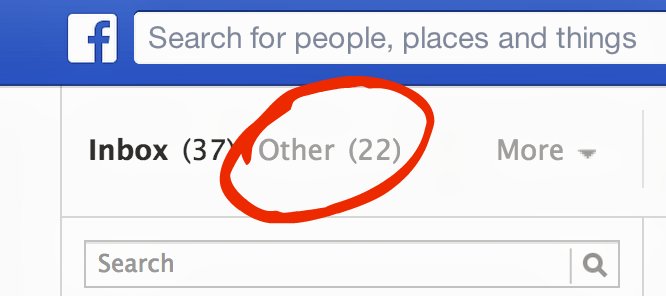
The big deal is about the Facebook Other folder, specifically because this feature(?) has been no big deal at all so far. Those who’ve never even seen it before (in the Desktop version, it’s in the messages tab next to Inbox, if you look carefully), as well as those who knew of it but never used it or used it very rarely are the crushing majority of Facebook users.

The Facebook Other folder will soon disappear.

This happens because the Other folder is the place where all the messages from people who you are not friends with go. And the rationale behind it was that if you wanted to receive messages from those persons, you could always make them FB friends. If not, Facebook was protecting your privacy and helping you not get spammed by just any stranger by putting all such messages in a folder separate from your main (Inbox) one in which you chat.

However, the many real situations of out-of-touch or unknown relatives trying to contact each other, or those messages coming from people you just met at a party or business meeting yesterday or those from a helpful stranger trying to return something to you presented a genuine problem that sometimes meant missing out on opportunities you would have liked to seize.

Also problematic is that in the case of mobiles, which is how a large proportion of users access Facebook, the Other folder is not even integrated in the Messenger app or messenger tab of the original app.

So, the company decided to introduce a new level of “openness where you can get in touch with anyone in the world but still have the control yourself of who contacts you and who can’t.” And in the words of the head of Messenger, David Marcus, they plan to do that by replacing “privacy by obscurity” with “openness with control”.

In short, the Facebook Other folder will be replaced by a new feature called Message Requests, which presumably will act like the Friends Requests feature works, only for messages, by placing those coming from non-friends (meaning any of the ~1.5 billion FB users) in your Inbox pending your review.

From here, if you delete or ignore one such Message Request you will no longer see messages from that person in the future. FB will also factor in the sender’s previous messaging behavior and whether you typically approve Message Requests. And Facebook’s spam detection systems that flag recently created accounts with few friends will also be part of Message Requests’ safety measures.

Image source: 1, 2.

Filed Under: Headlines Tagged With: Facebook, Facebook change, facebook new feature, Facebook Other folder, Other folder

Work Startup Asana Gets a Visually Rework and Retool

October 1, 2015 By Cristopher Hall Leave a Comment

Work Startup Asana gets a retool and a complete makeover

Work startup Asana has been retooled by Facebook co-founder Moskovitz.  It’s a brand new start for the magical tool that replaced the so-dubbed tyranny of the E-Mail!

The work-collaboration market is estimated at $50 billion – no wonder Moskovitz decided to redesign Asana so it can push it to more businesses around the world.

Asana isn’t the only company that tries to take a chunk out of the huge billion-dollar-filling pie. Companies such as Basecamp and Slack are looking more into new ways on how to revolutionize work collaboration tools by leveraging how humans naturally work together.

This is also Asana’s main quest at the moment.

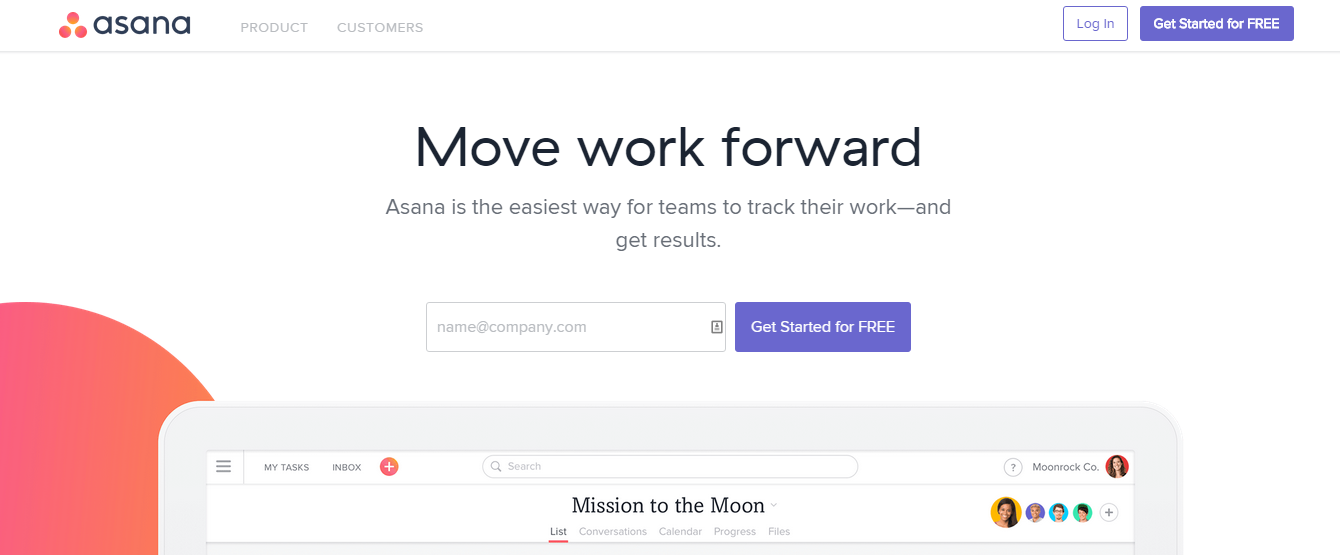
Asana is six years old and it was started by one Facebook co-founder named Dustin Moskovitz, and a former Facebook lead engineer called Justin Rosenstein. Yesterday, they announced that their software aims to further simply how groups of people interact at work.

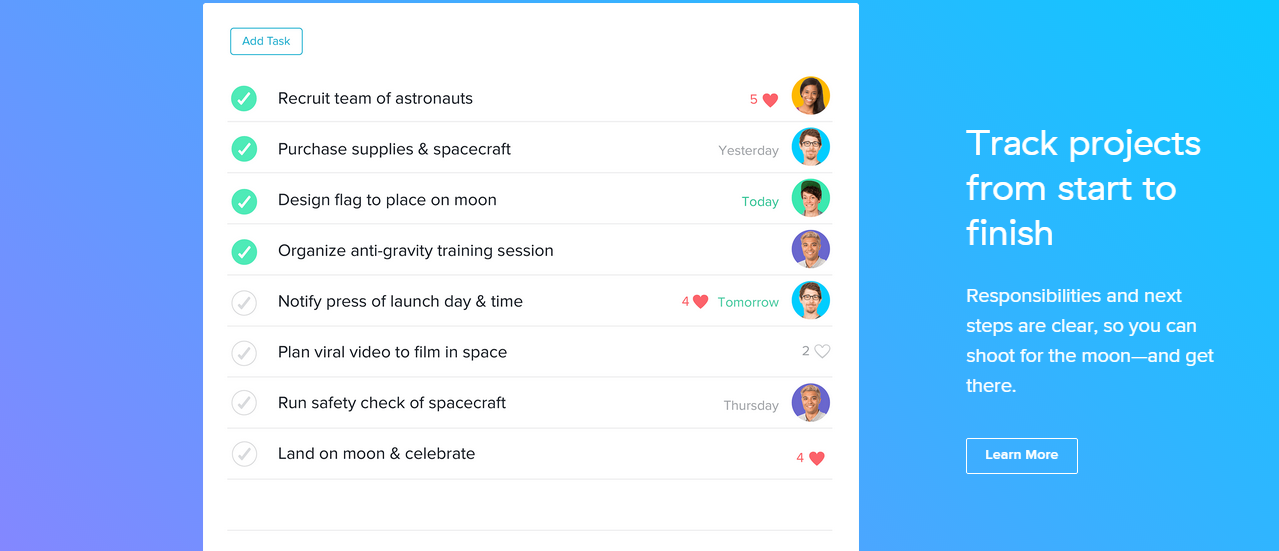
Key features that you can find in the new Asana tool include a complete makeover on how we use e-mail. Called Conversations, it will turn your old timey e-mail into a huge organized thread with a ton of options and actionable lists.

Another new feature, Track Anything will allow Asana users to easily group search using information found on a spreadsheet form.

Moskovitz notes that the Track Anything feature was a vision of his since the beginning of his venture company. At the current moment, Moskovitz’s company has about $40 mil in funding and over 140,000 corporate users, with 10,000 of them paying customers. Users include the Major League Baseball and The New Yorker publication.

Work Startup Asana has been founded by Facebook co-founder Moskovitz

Moskovitz noted on Wednesday that the company’s revenue has more than doubled over the past year.

Work startup Asana has a basic version which is entirely free – it’s aimed at a group of people that has no more than 15 members. The premium version however, costs $21 a month and its designed for teams of five members and it can even go upwards.

Rosenstein notes that he wants to put a stop to people who decide to talk about doing work, instead of actually doing it. Moskovitz adds that he feels a sort of sense of accomplishment when he sees non-profit organizations plan an attack strategy for the betterment of a community using his tool.

All of the changes have gone live starting today, except for the Track Anything feature. It’s still in its beta phase and Moskovitz says that it will be ready for users sometime in early 2016.

Newly hired Chris Farinacci, who formerly worked for Google for Work as a top exec, is now in charge of work startup Asana as a business operations manager.

Filed Under: Headlines Tagged With: Asana, Facebook, Facebook co-founder, Farinacci, Moskovitz, Rosenstein

  • 1
  • 2
  • Next Page »

Subscribe to Blog via Email

Enter your email address to subscribe to this blog and receive notifications of new posts by email.

Join 10 other subscribers

Recent Articles

police handcuffs man

German Man Probed In Poisoning That Killed 21 Employees Since 2000

June 29, 2018 By Kenneth Scott Leave a Comment

Chicken wings bar

Intoxicated South Carolina Man Punches Waitress Who Refused to Serve Him Alcohol

June 29, 2018 By Karen Jackson Leave a Comment

gaming

New Zealand gamer Who Flew Halfway Across The World for Virginia Teen Gets Shots By Her Mother

June 28, 2018 By Cristopher Hall Leave a Comment

party

Former Virginia Tech Freshman Sentenced to 50 Years in Prison for Stabbing a Girl to Death

June 28, 2018 By Roxanne Briean Leave a Comment

bonfire

British Couple Sentenced to Life in Prison for Torturing and Murdering French Nanny

June 27, 2018 By Deborah Campbell Leave a Comment

pay phone

Texas Father of Girl Disappeared in the 80s Ignored by Authorities

June 26, 2018 By Cristopher Hall Leave a Comment

bottled water

San Francisco Woman Threatened to Call Police on Girl Who Sold Ice Water for Disneyland Trip

June 25, 2018 By Roxanne Briean Leave a Comment

Maplewood Park

Missouri Man Robbed by Date and Accomplice in Park

June 22, 2018 By Nancy Young Leave a Comment

coding

New York Man Sentenced in Cyberstalking Former Girlfriend, Mailing Drugs to Her Dorm

June 22, 2018 By Deborah Campbell Leave a Comment

headphones

Bose Poised to Launch Sleepbuds, In-Ear Headphones That Help You Sleep

June 21, 2018 By Nancy Young Leave a Comment

Police light

Intoxicated Female Driver in Custody for Pulling Arresting Officer by the Hair

June 21, 2018 By Kenneth Scott Leave a Comment

kitchen

Restaurant Manager Arrested and Charged in Shooting Death of Co-Worker over Negative Yelp Reviews

June 20, 2018 By Karen Jackson Leave a Comment

plastic container

Pennsylvania Couple Charged in Violent Death of Infant Discovered Buried in Cat Litter

June 19, 2018 By Cristopher Hall Leave a Comment

tailpipe

Minnesota Teen Gets Head Stuck In Oversized Tailpipe Winstock Music Festival

June 18, 2018 By Karen Jackson Leave a Comment

Pages

  • About Us
  • Contact us
  • Privacy Policy
  • Privacy Policy GDPR
  • Staff
  • Terms and Conditions

Recent Posts

  • German Man Probed In Poisoning That Killed 21 Employees Since 2000 June 29, 2018
  • Intoxicated South Carolina Man Punches Waitress Who Refused to Serve Him Alcohol June 29, 2018
  • New Zealand gamer Who Flew Halfway Across The World for Virginia Teen Gets Shots By Her Mother June 28, 2018
  • Former Virginia Tech Freshman Sentenced to 50 Years in Prison for Stabbing a Girl to Death June 28, 2018
  • British Couple Sentenced to Life in Prison for Torturing and Murdering French Nanny June 27, 2018
  • Texas Father of Girl Disappeared in the 80s Ignored by Authorities June 26, 2018
  • San Francisco Woman Threatened to Call Police on Girl Who Sold Ice Water for Disneyland Trip June 25, 2018

Categories

  • Business
  • Entertainment
  • Finance
  • Headlines
  • Health
  • Life
  • Nature
  • Science
  • Sports
  • Tech & Science
  • Travel
  • Uncategorized
  • United States
  • World

Copyright © 2025 ArgyllFreePress.com
About · Privacy Policy · Terms of Use · Contact