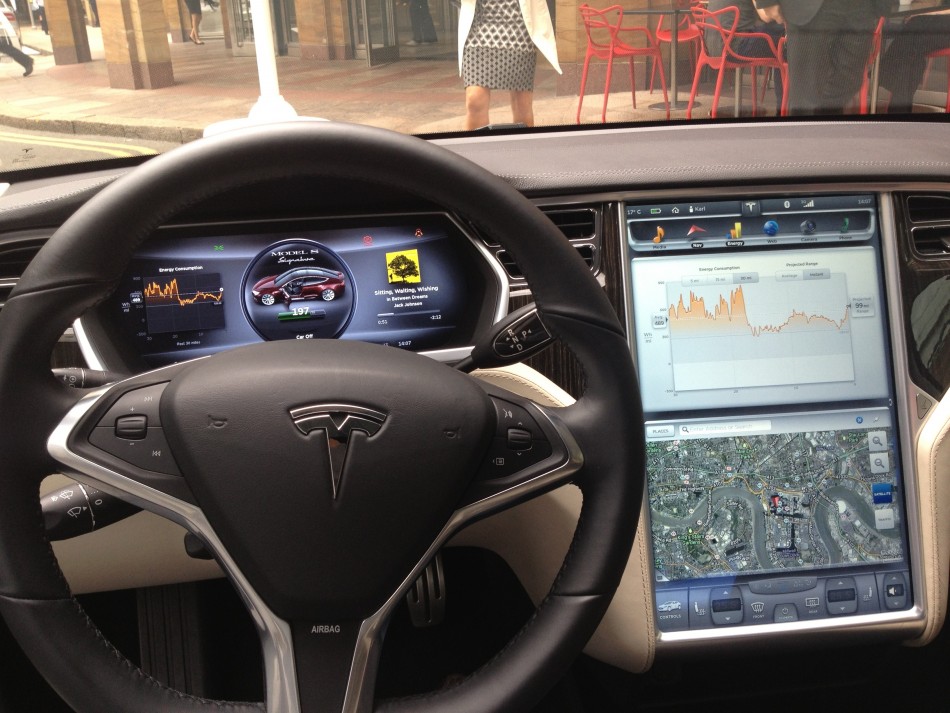
As automobiles become more computerized, they tend to inherit the same dangers that a computer itself would be exposed to. While previous types of vehicles would – in essence – only be threatened by the prospect of having your keys stolen or your alarm system jammed and turned off, the ideas that all these new, modern cars plan to include are a lot more vulnerable to cybersecurity threats.
This is something that the FBI and the United States National Highway Traffic Safety Administration has warned carmakers about. This comes as a highly valid concern on behalf of carmakers and owners of ‘smart’ automobiles, as previous year was reason enough for Fiat and General Motors Co to reconsider some of their security systems for vehicles and the synced smartphones.
In July 2015, 1.4 million Fiat Chrysler cars in the U.S. were recalled at the company’s centers to install extra security software after a particular magazine report started raising some concerns at the prospect of hacking cars. Meanwhile, General Motors Co also strengthened their smartphone app security through an update, after finding out that a fairly unequipped hacker could take control of some of the functions of a hybrid electric Chevrolet Volt.
BMW AG also announced that it had fixed a weakness in their software that may have allowed hackers to remotely open doors of vehicles without effort.
While no real-world attack of the sorts has ever taken place, it was increasingly worrisome when engineers and programmers came to the conclusion that the 2014 Jeep Cherokee could’ve easily had its steering, transmission and brakes hacked in and taken control of remotely, endangering the life of drivers, on top of threatening their possessions.
In order to protect owners from these dangers, the Alliance of Automobile Manufacturers and the Association of Global Automakers opened an information sharing and analysis center last year to help propagate all the information available on this topic and help prevent real life attacks from happening. The public was also warned about fake emails that hackers could send, pretending to offer software updates from individuals’ cars and mobile phones, and therefore accidentally giving away the very key to their vehicles.
Now imagine what potential hackers could have on the autonomous vehicles that we expect to become a reality by the year 2030. Hijacking cars, kidnapping attempts and other terrifying prospects of the sort could be something that both carmakers and users will have to concern themselves with.
Image Source: 1