Scientists reported that they have managed to grow in a petri dish active human stomach tissue by using stem cells.
Scientists reported that they have managed to grow in a petri dish active human stomach tissue by using pluripotent stem cells.
Stem cells are some of the most interesting features of the human body. These undifferentiated human cells can divide and differentiate into more such cells. In adults, they act as a sort of repair system. By division, they can replenish and rejuvenate tissue.
Now, scientists have managed to influence the cell’s differentiation process. This led to the development of pluripotent stem cells. These are now used in new, innovative procedures.
One such process led to the creation of functional human stomach tissue. This latter was developed in a laboratory’s petri dish.
The achievement belongs to a Cincinnati Children’s Hospital Medical Center team of researchers. Jim Wells was the principal investigator. He is a Ph.D. and Cincinnati Children’s Pluripotent Stem Cell Facility Director. Study results and details were released earlier this week.
They were published in the Nature journal. Released on January 04, the study was titled as follows. “Wnt/β-catenin promotes gastric fundus specification in mice and humans”.
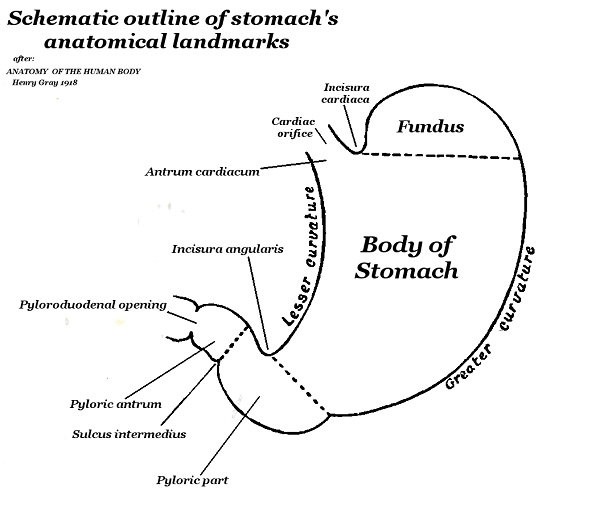
The study managed to grow tissue from a specific area. This is the corpus/fundus part of the stomach. Their human stomach tissue was seen to work normally.
It was able to produce digestive enzymes. Acid was also produced by the said tissue.
This Cincinnati Children research team is behind another similar breakthrough. Another achievement in the area came some two years ago. At the time, they managed to generate an antrum.
An antrum is the stomach region which produces hormones. Now, the team will be joining their research results.
The recent discovery has opened up a new path. Both the antrum and stomach tissue can now be grown. As such, new research can be carried out.
Based on these finds, research can now better study stomach diseases. This could lead to the emergence of new treatments. It could also enrich our knowledge of the human development process.
Wells, the aforementioned lead, went to offer details. He pointed out his team’s current abilities. Researchers can grow both the corpus/fundic and antral tissues. More exactly, they can develop gastric human mini-organs.
These will open further study possibilities. For example, research could analyze their physiological interactions. Human stomach tissue responses to different infections or injuries can also be studied. The effect of pharmacological treatments on the gastric tissues would also be studied.
This latest find caps about 6 years of discoveries. The first was achieved back in 2010. Since then, the team has been using hPSC so as to engineer intestines and stomach regions. hPSCs are the aforementioned pluripotent stem cells.
Researchers have used the generated stomach tissue in specific studies. They have used them so as to identify the potential causes of disease. Treatment methods for said issues were also advanced. The diseases analyzed affect the human gastrointestinal tract.
Now, research will set to analyzed the abilities of the human-engineered stomach tissue organoids. More exactly, they will combine them with intestinal organoids. Through this, they will study how the body controls digestion and nutrient uptakes. Various medical conditions affecting said organs will also be analyzed.
In order to create the stomach tissue, the researchers analyzed mice. They noted their stomach’s embryonic development. As such, they stumbled upon a fundamental genetic pathway.
This pathway was later manipulated in a petri dish. Through it, the scientists managed to trigger a human fundus organoids formation process.
According to Wells, the gastric-fundus stomach tissue formation took around six weeks.
Image Source: Wikimedia













.jpg)
.jpg)