 Project Ara, involving the modular phone by Google has captured everyone’s imagination, promising the possibility of customizing your own smartphone to users worldwide. Well, as far as the worldwide part goes, the new smartphone will currently be available only for people in Puerto Rico. However, the Ara Spiral 2 Prototype has been introduced to the public and it is fully functional.
This concept is not yet ready for coming out the market around the world but public tests will begin with this year’s summer. There are no dates or plans on when exactly the new Ara smartphone will hit the markets.
Why Puerto Rico?
The pilot program set in Puerto Rico is meant to offer the necessary data on how to better plan the international launch of the Ara smartphones and the region was not chosen randomly. Google claims that Puerto Rico is the perfect spot for the idea of a modular smartphone mainly because 75% of the internet traffic in Puerto Rico is done through smartphones but many phone users do not actually own a smartphone.
Ara will also be used as a marketing strategy to make more people choose smartphones rather than any other types of phones. Google has signed partnerships with local carriers in the Puerto Rico area, Open mobile and Claro being two of these carriers.
What is Spiral 2?
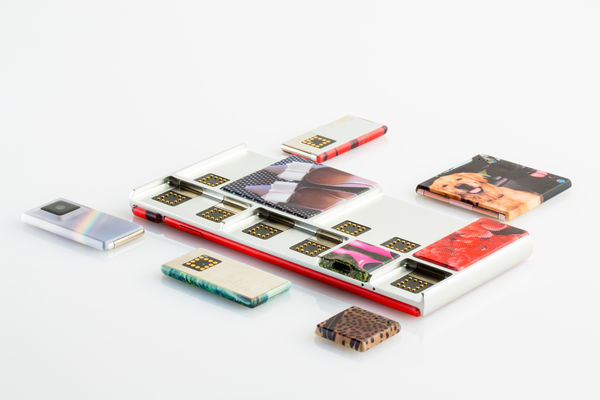
Spiral 2 is the fully functional prototype available now but it does not yet have the final hardware version. However, Spiral 2 is way better than the initial Spiral, the prototype having now no troubles in booting and it even has access to a 3G data connection. For the following prototype, Spiral 3, Google announced that they are working on developing a 4G LTE data support.
A modular phone is basically a customizable smartphone with interchanging modules. Google has announced that these modules will consist of the phone screen, speakers, batteries, photo sensors, motion sensors and many more. The ground breaking idea behind this concept is the fact that Google will eventually give users the option to customize their phone to their own needs.
Are you more focused on the camera quality on your smartphone rather than the speaker? Simply choose a bigger camera module with a smaller or no speaker module. This goes on for every function the phone will eventually be capable of.
The head of Project Ara, Paul Eremenko was asked during a developer conference on Wednesday, if the “endo” which is basically the skeleton of the smartphone where all the modules slide in, is going to be available in different sizes but said that they are trying to keep everything consistent. Ara also raised some questions about security during the above mentions conference but Eremenko said that a set of security guidelines has not yet been released.
What about the price?
Google has yet to release a price for their smartphone. Although they have constantly announced that the smarphone will be available on the lowest price possible, we have yet to see if that is indeed true.
Depending on third party manufacturers and the price of every piece, a price for each and every module is also expected. Of course, the overall price of the smartphone will vary depending on what modules you actually want on your phone, if Google will keep their word on giving us the possibility of choosing what modules you actually want your smartphone to have, before purchasing it.
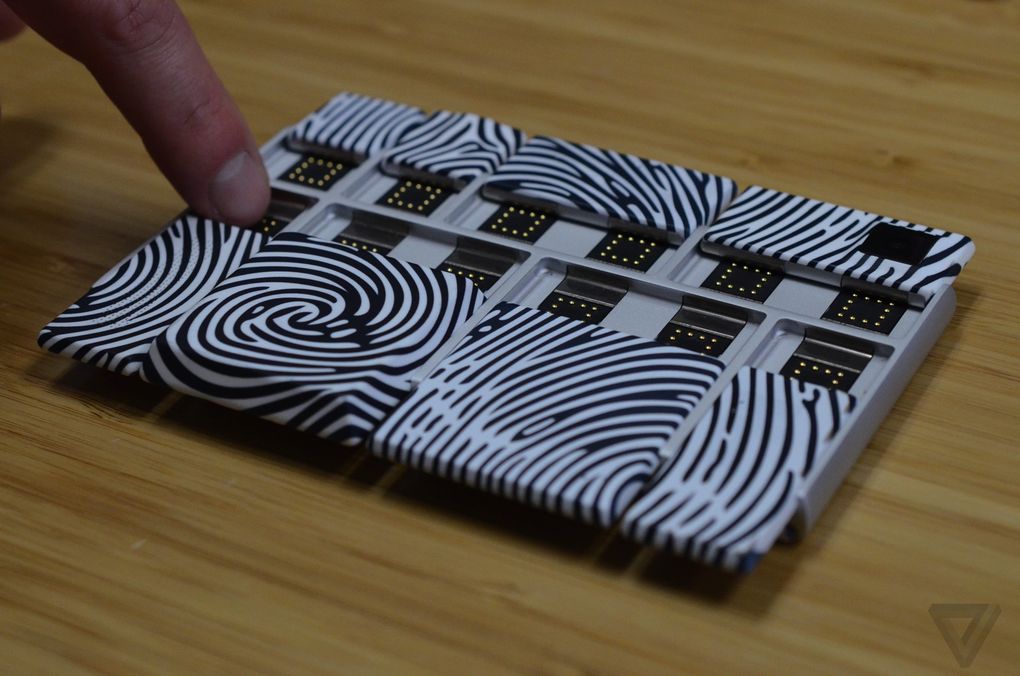
Another part of the project which has not yet been worked out is if we are going to be able to switch or swap between different modules. All of this information will most likely be available after the Puerto Rican launch of the Ara smartphone and after analysts will put together all the data they have gathered before and after the release.
Adding and removing modules will supposedly be fairly easy if you know how to do it. Magnets will be used to keep all the modules in place and for you to be able to disengage one of the modules, you will have an app available exactly for that. You will also be able to choose what colors or design you want your modules to be in, making it more aesthetically pleasing.
As Paul Eremenko declared,
“The question was basically, could we do for hardware what Android and other platforms have done for software? Which means lower the barrier to entry to such a degree that you could have tens of thousands or hundreds of thousands of developers as opposed to just five or six big manufacturers that could participate in the hardware space.”
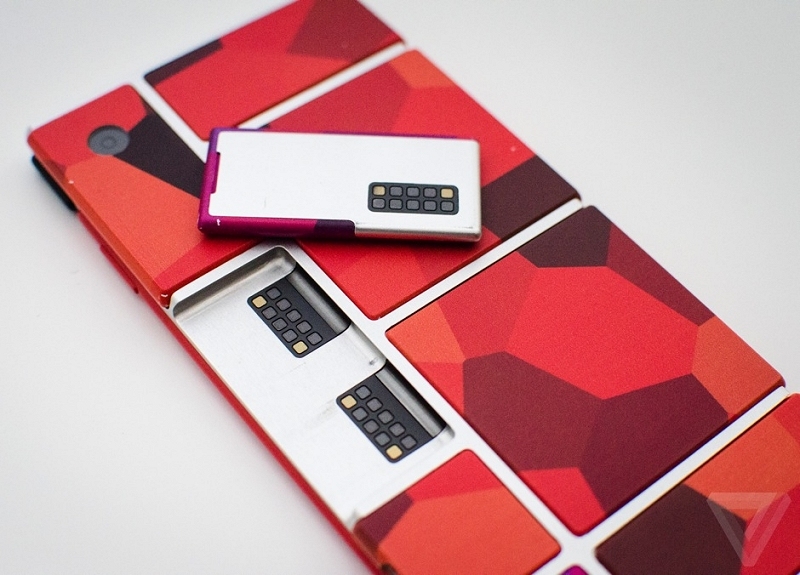
Although there are is no certainty behind it, Google seems to hurry up the launch of the Ara smartphones, considering the modular smartphones an innovation prone to change the way mobile technology is currently going. There are eleven working modules available for the Spiral 2 smartphone and Google plans to make over thirty modules available by the time they will release the Ara smartphone.
