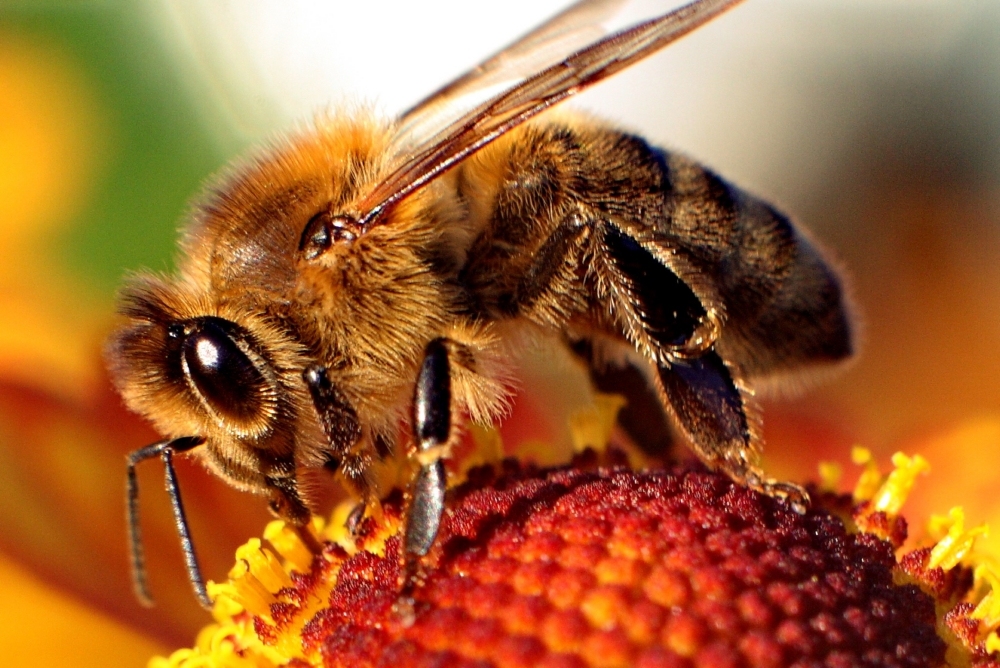
Bees are crucial for the environment.
On the 7th of May, people are going to have the opportunity of celebrating Bee Day. The tiny yellow and black insects are crucial for the good of the environment, yet the importance of bees is diminished by the high polluters who don’t want to change their harmful ways just for the sake of some insects. Even if we’re talking about the insects that are pollinating the trees, giving us honey, and preserving entire ecosystems.
“Bees are really fun, even though we’re talking about stinging insects, they’re really fun to watch and see how they work. For some people, it’s just a nice hobby, and for others, they would like them for pollination in their garden. Bees are struggling. We’re at a time where overall bees have struggled so more people are wanting to get involved to help them out.”
Declared Kirk Tubbs, the class instructor from the “Tubb’s Berry Far” in Twin Falls. The Farm will hold a celebration on the 7th of May where participants will be able to learn all about the importance of bees.
Bees are the main pollinators for a wide variety of plants and flowers. Almost a third of all the food we eat is being pollinated by bees. Without the honey-producing insects, we would lose a great amount fruits and vegetables, the entire ecosystem being affected.
A bee’s body I covered in tiny hairs that carry pollen from a plant to another, helping them reproduce. According to one study, bees are personally responsible for $200 billion worth of food every year.
Unfortunately, ever since 2006, the population of bees in the United States has started to severely decrease. At first, the beekeepers blamed parasites and other viruses, but then they observed that commercial hives nationwide were starting to complain about the disappearance of almost 90 percent of their insects.
Then, they started to investigate neonicotinoids, which are a sort of pesticides that affect that nervous system of bees. After consuming tainted nectar, the insects become confused and disoriented, making them forget where their hive is.
Furthermore, beekeepers are also considering extremely long and cold winters, the lack of genetic diversity in commercial hives, and a shortened supply of nectar on the fields as probable causes for the alarming decrease in bee population nationwide.
If the decline continues, people may learn about the importance of bees too little, too late. Without them, there would be a shortage of cotton, coffee, fruits, vegetables, even dairy, and meat seeing as they are the primary pollinator of alfalfa fields.
Image source: Wikimedia
