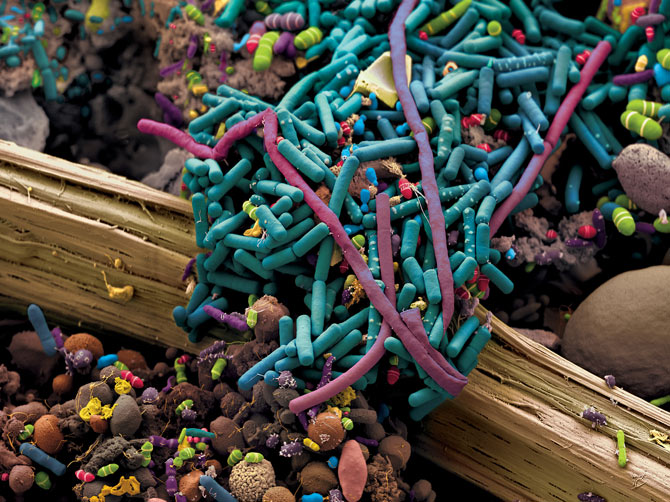
 A new study has found a link between autism and gut bacteria, as many mothers of infants with autism with ages of up to three, have a plethora of GI symptoms, such as diarrhea, constipation and food intolerance or food allergy. The study collected 10 years of data and published in the online journal of JAMA Psychiatry.
The scientists followed infants with ages between 6 months and 3 years and compared gut symptoms in autistic children to the symptoms in children with a typical development.
This particular study is what is called a forward-looking study, which means that it was designed from the beginning to test associations between autism and gut bacteria. A retrospective study is a study that would gather already present data and search for links between two or more factors.
The new study that links autism to gut bacteria was performed by scientists at the Columbia University, New York, headed by Michaeline Bresnahan, PhD at the university.
It was found that gastrointestinal symptoms were more frequently persistent and more common in babies with autism spectrum disorder than in children with a typical development for their age group, or those with a degree of developmental delay.
Bresnahan, along with her colleagues, believe that their study is the first one that examines a population to find links between ASD (autism spectrum disorder), TD (typical development) or DD (development delay) and GI symptoms and disorders.
The aim of the study was to answer the question: are children with ASD at greater risk of experiencing GI disturbances, when compared to the two other groups, TD and DD.
The study looked at data from a whopping 41,000 children with ages between 6 months and 36 months. Out of that number, a total of 195 children had autism spectrum disorder, 40,295 had typical development and 4,636 had a development delay.
After careful examination of the date, the researchers found that, compared with children with TD, children with Autism Spectrum Disorder were more likely to have a food allergy or intolerance and constipation reported by their parents between 6-18 months of age.
Children with ASD were also more likely to have constipation, diarrhea, and food allergy or intolerance in the 18-36 months range.
It was concluded by the scientists that even though gastrointestinal symptoms are quite common in early childhood, doctors should know that children with ASD may be experiencing more GI issues in the first 3 years of their life than children with TD and DD.
Image Source: National Geographic
