Argyll Free Press

Growing News Network

Thursday, April 16, 2026
Log in
  • Business
  • Finance
  • Sports
  • Tech & Science
    • HP Envy 4500 Review
    • LG Optimus 170 Review
    • iPod Touch 6th Generation Review
    • HTC One M8 Accessories Set-up
    • Surrealist Games You Must Play
    • Hisense Sero 8 Review
    • Dell Latitude e7440 Review
    • HP Laserjet 1536dnf mfp Review
    • Garmin Fenix 2 Review
    • Skype Vs Viber
    • Best Video Conferencing Software
    • Sony mdr 1r Headphones Review
    • Canon Rebel t3i Review
    • Sennheiser Momentum 2-0 Review
  • Travel
  • Headlines
  • Health
  • United States

Healthy People Could Hold the Key to Treating the Sick

April 12, 2016 By Karen Jackson Leave a Comment

alt=Intricacies of Human Genome"

A major study that analyzed more than half a million people who could be carrying genetic mutations for 584 severe childhood diseases has identified 13 who do present the mutations for the devastating conditions without the symptoms of the disease.

The implication of this discovery is that something in the human genetic makeup could prevent people who inherit the mutation for severe conditions – such as cystic fibrosis – to ever develop the disease.

If that hypothesis is confirmed, identifying the “guilty” genetic factors that lead to survival could spur the development of new treatments.

Somewhat intriguing is the fact that the 13 may not even be aware of their special status; they just took part in different genetic surveys but never signed something that could allow researchers to contact them with a follow-up.

But according to Stephen Friend of Sage Bionetworks in Seattle, Washington, the findings should be enough to prompt a systematic search of the 13 subjects.

He and other 29 scientists have reported in the Nature Biotechnology journal on a massive retrospective search for survey participants who might be immune to the hazards of inherited diseases.

They gathered data from existing surveys conducted by commercial genetics firm like 23andMe, the 1000 Genomes Project, the Ontario Institute for Cancer Research, and others. They were on the lookout for healthy people who carry the genes of “severe, early-onset and often highly lethal illnesses.”

Researchers had chosen childhood diseases because participants of DNA testing are adults, so there’s no chance the conditions had not manifested themselves.

Buried in the 589,306 genetic samples they combed through for evidence, the team found 13 people who carried mutations for eight of 584 diseases they were looking for – none of them showed symptoms, however.

It’s still a mystery what causes immunity to their own biological inheritance. Scientists believe that some particular factor in their genetic makeup acts as a buffer against the consequences of an inherited mutation.

Thanks to the more advanced tools, researchers can look for people who should be sick, and finding them could be a starting point for searching for genome mutations that could give them ideas for better therapies.

As Stephen Friend said, “Study the healthy. Don’t just study the sick.” His co-author, Eric Schadt of the Icahn School of Medicine at Mount Sinai, said that while most genetic studies focus on identifying the cause of a disease, the new study saw a tremendous opportunity in finding out what keeps people healthy in spite of all odds.
Image Source: Science Daily


Filed Under: Health Tagged With: childhood diseases, genetic mutations, genetic superheroes, human genome

Married Cancer Patients Fare Better Than Their Single Counterparts

April 11, 2016 By Deborah Campbell Leave a Comment

alt="Married Older Couple"

A new study suggests that being married can be a powerful medicine in the fight against. Researchers at the Cancer Prevention Institute of California found there might be a connection between a wedding ring and a higher survival rate.

According to the report, single men diagnosed with cancer had a death rate 27 percent greater than married male patients. Meanwhile, the survival rate for single female patients was 19 percent lower than their married counterparts.

Leading research scientist Scarlett Lin Gomez said the difference were actually “quite notable,” comparable to some of the more clinical factors often associated with cancer prognosis, like types of treatment or stages of the disease.

Researchers also found that the financial advantages of marriage have almost nothing to do with health benefits, which rely solely on the emotional bonds of matrimony. Gomez said the patterns could not be fully explained by married patients having greater economic resources.

While factors like living in a higher socioeconomic status neighborhood, or having health insurance, did play a role, albeit a small one, they could not explain the greater survival rate among the married.

The study noted that the connection between marital status and cancer prognosis did not prove a cause-and-effect link.

Studies conducted over the past 10 to 15 years have found similar benefits for married cancer patients, but the reduced death rate was always attributed to the love and support a patient receives from their spouse.

But at the same time, there’s better access to insurance and a greater combined income available for people who are married. So Gomez’s team set out to see if it’s love or money that makes the married patient healthier and improves their survival chances.

For the study, researchers looked at the health records of almost 800,000 adults in California, all of whom had been diagnosed with invasive cancer between 2000 and 2009. Their medical outcome was followed through 2012.

The findings, featured in the journal Cancer, suggested that a higher financial status had little impact on a patient’s chance of beating cancer. Instead, the support and care of a spouse played a significant role in reducing stress and improve the outcome overall.

A husband or a wife can provide nourishing meals, drive you to doctor’s appointments, and make sure you take your medicine. It also helped to have someone to counsel you through the stress of cancer treatment, someone who’s there to listen to you.
Image Source: The Guardian

Filed Under: Health Tagged With: cancer, cancer patients, fighting cancer, financial status, married couples, married patients higher survival chances, moral and financial support for cancer patients

Global Maternal and Child Deaths Could Be Prevented with $5 per Person

April 11, 2016 By Cristopher Hall Leave a Comment

alt="Mother and Child eating"

A new analysis conducted by the Johns Hopkins Bloomberg School of Public Health has found that millions of children and mothers could be saved from dying each year with less than $5 per person.

Featured in The Lancet on April 9th, the findings suggest that expanding basic health care services – such as nutritional supplements, contraception, and medication for serious illnesses – in 74 low- and middle-income nations could save many lives.

Reports show that these 74 countries account for more than 95 percent of the world’s maternal and child fatalities occur annually. In 2015, roughly six million children under the age of 5 died, as pregnancy-related causes also killed more than 300,000 women across the globe.

Back in September of 2000, world leaders committed to reducing maternal and child mortality by 2015; however, the new numbers fall short of those goals.

In 2000, the Millennium Development Goals called for “a two-thirds reduction in child mortality from 1990 levels and a three-quarters reduction in maternal mortality from 1990 levels.”

Study author Robert Black, Ph.D., at the Department of International Health at the Bloomberg School, said that a vast majority of these deaths could be avoided if affordable solutions were designed for the populations that needed them the most.

Black’s analysis suggested that keeping more mothers and children alive was not such an expensive investment, and it required a minimum cost per person for expanding access to care. Black presented his conclusions at the Consortium of Universities for Global Health conference, San Francisco.

Researchers discovered that reaching 90 percent of the target populations with health care services could end up saving four million lives could every year.

Some of the most critical interventions included in the study are about improving pregnancy and delivery care, treating life-threatening infectious diseases (diarrhea, pneumonia, and malaria), and providing better childhood nutrition.

By offering these services, 1.5 million newborn deaths could be prevented, in addition to 149,000 maternal deaths. They could also avert 849,000 stillbirths, the equivalent of more than a third of all annual stillbirths.

According to the researchers’ estimates, an investment of “$6.2 billion in low-income countries, $12.4 billion in lower-middle-income countries, and $8 billion in upper middle-income countries” would be needed.

While that sounds like a lot, these sums represent an average investment per person of just $4.70 overall. In other words, essential health services could help people who need them the most with less than $5 per person.

The cost of expanding coverage is not a great impediment, either, as community health workers or primary health centers can provide the majority of these services.
Image Source: President’s Choice

Filed Under: Health Tagged With: basic health care services, life-threatening infectious diseases, maternal and child deaths, newborn deaths, saving millions of lives with basic medical services, third world countries

Subway To Post Calorie Counts in Stores Across the US

April 6, 2016 By Karen Jackson Leave a Comment

alt="Subway Store front"

Even though the federal government has delayed once again the rule that would require restaurants to post calorie counts on their menus, Subway is going ahead and will do so anyway.

According to the sandwich chain, its new menu boards that include calorie counts have already started to roll out around the United States, and by April 11, they should be displayed in all 27,000 stores opened in the country.

Restaurant chains have been waiting for the Food and Drug Administration to post its final guidance and enforcement of a rule that requires all food sellers with more than 20 locations to post the calorie information on their menus.

As the execution of the law has been postponed once again, Subway took the decision to forge ahead on its own.

Lanette Kovachi, the leader of Subway’s global nutrition efforts, said that the sandwich chain wants to give consumers what they’re expecting, even though the FDA rule has not come into effect yet.

Back in 2010, a rule was passed requiring major chains to post calorie counts on menus, a move that was part of a federal health care overhaul. This decision was supposed to help Americans make better dietary choices.

The FDA has weighed retailers’ concerns for what felt like an eternity, but the final rules were finally released in 2014. Establishments had until the end of 2015 to comply, but some obstacles caused the agency to push back the deadline to the end of 2016.

The last delay – which gave restaurant chains time until a year after the FDA publishes its final guidance – was caused by the fact that many companies have lobbied for an exemption.

Domino’s, for instance, claimed the rule makes no sense for food chains that get a lot of their orders over the phone or online.

However, Subway is not the only one to move forward in spite of the delay. Panera Bread started making this information public in 2010, and McDonald’s Corp. followed suit two years later.

According to the National Restaurant Association, most food companies seem to be waiting for the final guidance from the FDA before they begin posting the information.

In the meantime, Subway has already posted calorie counts in about 4,000 stores located in New York, California, and other states where this information is already required. Since January, the food chain has included the new menu boards in another 7,000 restaurants.

However, it’s still unclear if and how the calorie counts change people’s behavior.
Image Source: NBC News

Filed Under: Health Tagged With: Food and Drug Administration, sandwich chain, Subway, Subway calorie counts, Subway menus

Could Pig Hearts Eventually Save Human Lives?

April 6, 2016 By Deborah Campbell Leave a Comment

alt="Pig heart transplant"

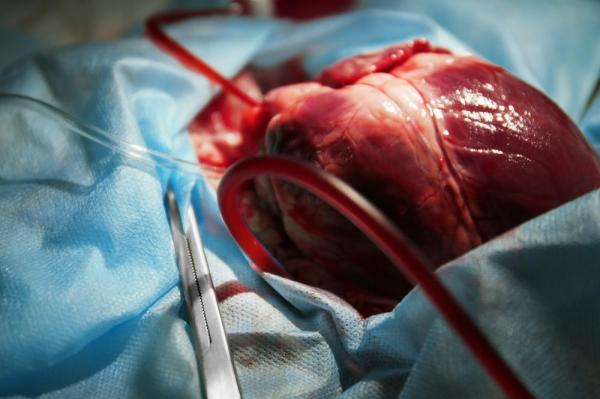
According to a major discovery featured in the journal Nature Communications, cardiac patients might soon be able to have pig hearts beating in their chests, in what might prove to be a significant advance in cross-species organ transplantation.

In light of the dire shortage of organ donors, medical science has been long searching for ways it could save human lives with the help of animal hearts, lungs or livers. However, organ rejection has remained a stubborn obstacle in the way of success.

However, a team of scientists from the United States and Germany has reported the successful transplantation of pig hearts in baboons, primate cousins of humans, and keeping them alive for a record 2.5 years.

They used a combination of targeted immune-suppressing drugs and gene modification to achieve this amazing feat.

According to study co-author Muhammad Mohiuddin of the National Heart, Lung and Blood Institute in Maryland, this could be the intermediate step that brings science closer to using these organs in humans.

Mohiuddin said that organ transplants between different species – also known as xenotransplants – could hold the key to saving thousands of lives annually, lives that would otherwise be lost because of the shortage of human organs available for transplantation.

In the latest experiments with five baboons, the group of researchers broke their own records by getting the hearts to survive for up to 945 days.

While the new hearts did not replace those of the monkeys, they were connected to the circulatory system through the baboon abdomen via two large blood vessels.

This method that attempts to lower the risk of organ rejection keeps the baboon’s own heart pumping the blood while the transplanted heart beats like a normal heart. Donor organs are often perceived as a threat by a recipient’s immune system because it is foreign to the body.

For the trials, the donor organs were taken from genetically-modified pigs; in other words, the high tolerance of the pig to the immune response made the hearts invisible to the recipient’s natural defense system.

Also, the baboons were administered drugs that suppress the immune response. But while this achievement is encouraging, are pig hearts safe for humans?

Give our genetic proximity to primates, these animals were long thought to be the best donor candidates. However, experiments going back to the 1960s showed that primate kidneys, hearts, and livers were rejected in a matter of months.

So maybe pigs are better donors, which we’ll find out after Mohiuddin’s team experiments with full pig-to-baboon heart transplants. According to him, pig hearts could eventually make their way into human chests.
Image Source: UPI

Filed Under: Health Tagged With: baboon organ transplant, donor organ shortage, donor organs, organ rejection, pig heart, primate to human transplant, xenotransplant

Japanese Researchers Grow Fully-functioning Skin in Lab

April 4, 2016 By Cristopher Hall Leave a Comment

alt="Young Man Concerned about Potential Hair Loss"

According to a team of Japanese researchers, it’s possible to grow a fully functional skin that has everything it needs, from hair follicles to sweat glands. Could this be a more effective treatment for people who deal with hair loss?

There are only a handful of treatments that deal with alopecia and other types of hair loss that occurs due to degradation of hair follicles in the skin.

But with the solution provided by these Japanese researchers, the new lab-grown skin might be able to offer new hope to those who want to cover their baldness.

Research leader Dr. Takashi Tsuji from the RIKEN Centre for Developmental Biology based in Kobe explains the newly designed skin has been fitted with fatty tissue and dermis, the layer where sweat glands and hair follicles are located.

This new technique has allowed the team to grow artificial skin successfully, mimicking  the function of the natural tissue. Their developments contribute to the advancement of bioengineering technologies that will be included in regenerative therapies for patients with scars, burns, and alopecia.

For the lab-developed skin, researchers used certain chemicals to transform cells from mouse gums into stem cells. The newly created stem cells were then transplanted into another mouse for testing.

Just a few days later, the stem cells started transforming into skin tissue, which was then removed and implanted into the original mice. The new skin allowed the mice to sweat and grow hair, as the organ bonded well with the original skin and started the creation of new tissues.

The findings of the RIKEN Center, featured in Science Advances, represent a giant leap in “creating artificial human skin in the laboratory that contains all three natural skin layers, a handful of the usual glands and even hair follicles.”

Before this discovery, advancement in the field of artificial skin has been prevented by the fact that the skin didn’t contain the essential organs, such as hair follicles or sweat glands.

Scientists have previously created in a lab the epidermis – or the outer skin layer – but it could never work if it wasn’t complete with the missing organs and functions of the natural skin.

More than just help people dealing with hair loss, the development of the Japanese researchers represents good news for burn victims and other individuals who require skin transplants.
Image Source: Demand Studios

Filed Under: Health Tagged With: artificial human skin, hair follicles, hair loss, lab-grown skin, Stem Cells, stem cells treatment, treatment for hair loss

More Obese Than Underweight People Worldwide, Study

April 1, 2016 By Cristopher Hall Leave a Comment

obesity epidemy

According to a major study conducted by the Imperial College London, the number of obese adults in the world has surpassed the number of those who are underweight.

Starting from 1975 and ending in 2014, the team of scientists looked at and compared body mass index (BMI) among nearly 20 million adult men and women. The results were featured in a recent issue of The Lancet.

What lead author Prof Majid Ezzat calls “an epidemic of severe obesity” is, in fact, the modern day plague causing the population to become increasingly more obese. This health-damaging disease has tripled in men and more than doubled in women, according to the results.

For the study, scientists pooled data from 186 countries, revealing that the number of obese people across the world had spiked from “105 million in 1975 to 641 million in 2014.”

Meanwhile, the number of underweight people had also gone up from “330 million to 462 million” over the same period. In other words, the study’s conclusion is that in 2014, there were 266 million obese men and 375 million obese women worldwide.

This research also shows that there are almost “zero chances” for us to reach the World Health Organization’s global obesity target for 2025; the WHO wants no rise in obesity above 2010 levels.

According to its clinical definition, obesity is represented by an increased BMI – which measures weight in relation to height – of 30 kilograms per meter squared (kg/m2).

While the results of this study might seem good news for the number of underweight individuals, there has been a critical shift in our world over the last 40 years.

Underweight prevalence has been surpassed by obesity, which has prompted Prof Ezzat to call the governments to action and start implementing policies to address obesity.

There isn’t just one solution to the obesity epidemic, but Prof Ezzat believes that making healthy food more affordable while increasing the price of unhealthy processed foods could be one of the answers.

In the meantime, Prof George Davey Smith from the School of Social and Community Medicine at the University of Bristol believes there can also be an unhealthy focus on the problem of obesity in detriment of “the substantial remaining burden of under-nutrition.”

This could divert significant resources away from disorders that affect the poor and the underweight to those that are statistically more likely to affect the wealthier.

The truth is that while the causes of obesity are complex, we live in a world which encourages low levels of physical activity and poor diets.
Image Source: Think Progress

Filed Under: Health Tagged With: governmental action against obesity, increased BMI, obesity, obesity epidemic, underweight people, underweight prevalence

Trying to Scare Smokers with Graphic Images Does Not Stop Them

February 24, 2016 By Karen Jackson Leave a Comment

Types of reactions to the graphic images on cigarette packs

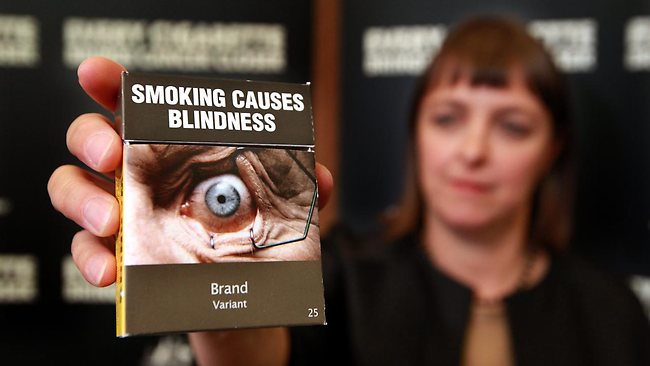
This is the latest realization that a group of researchers from the University of Illinois have had, after studying various types of reactions to the graphic images on cigarette packs. The presence of these images has been a topic for discussion for smokers and non-smokers alike since they were introduced to the wrappers of cigarette packs in the United States back in 2009.

They normally depict large warnings regarding the health concerns of smoking, images of dying people, diseased organs – all a result of the habit in question – and yet, it would seem that their intended purpose has barely been fulfilled. The study performed at the University of Illinois found a grand variety of reactions and responses to these images, out of which very little were of serious consideration of quitting smoking.

It would appear that the graphic images are more prone to make individuals try to cover them up rather than stop smoking. And that’s saying something when you stop to thing just how disturbing the images truly are. Originally, larger and even more graphic warnings were intended to be displayed on packs somewhere in 2012, but the movement was ceased due to several lawsuits against it.

In some cases, the images appeared to have a completely opposite effect, where individuals spotting them felt like their freedom was being infringed on and ended up encouraging them to smoke even further, rather than reduce their willingness to do it.

The study was performed on 435 undergraduate college students, with ages 18 to 25. Out of them, only 17.5 percent were smokers. However, half of the two representative groups were shown packs of cigarettes that displayed graphic images and warnings and were asked to then fill in a survey that asked them more about their personality and their reaction to the package they had been given.

There seems to have been a nearly unanimous reaction towards it: both smokers and nonsmokers affirmed they felt that the packaging was bothering them and felt like the government was “trying too much” or “meddling in their business”. The results concluded that these attempts made by the FDA to reduce the number of smokers are, as a matter of fact, having the polar opposite result. Because there seems to be a reluctance in individuals to listen when they feel like they’re told what to do – a trait even moreso present in smokers – the initial reaction is to do the opposite of what they are advised.

Image Source: 1

Filed Under: Health Tagged With: Cigarette Pack warnings, FDA, Smoking, smoking study

CDC Offers Insight on How to Get Enough Sleep

February 19, 2016 By Michael Turner Leave a Comment

CDC Offers Insight on How to Get Enough Sleep

Standing for the Centers for Disease Control and Prevention, CDC offers insight on how to get enough sleep after a recent study resulted in the shocking conclusion that nearly a third of the population of the United States does not rest properly. This was the conclusion drawn by the group after studying more than 400,000 individuals across all 50 states.

It is known that a healthy amount of daily sleep involves at least 7 hours of shuteye. Failure in sleeping for at least that long will not only affect your work, family and social life, but has dire consequences and effects on the overall health of both the body and the mind. Studies suggest that lack of sleep is one of the main factors that increase the risk of obesity, diabetes, heart disease and mental illness.

There seems to be an increase of occurrences of individuals not getting enough sleep, and all signs suggest that the likeliness of that happening in this era is strongly related to unhealthy habits, technology dependency as well as stress and overworking. While the study reported that across the United States 65.2 percent of the participants were getting a healthy amount of sleep, the most affected states such as Hawaii only scored 56.1 percent of healthy sleepers, while South Dakota went up to 71.6 percent of people getting at least 7 hours of sleep a day.

This led CDC to the conclusion that there needs to be an initiative to increase public awareness and offer education regarding healthy sleep. The group believes that this is not just something that should be done by independent, non-profit organizations, but that companies and corporations should also join in and offer these types of things to its employees. Especially in the case of shift workers and high activity sectors.

It is worrying to see just how much the sleep factor has been missed out on in case of the multiple types of health concerns that individuals are educated on. There is plenty of effort put in educating the contemporary society about why we should eat right, not live a sedentary life, quit smoking or do things in excess, but not so much about sleeping.

CDC proceeded to forward several pieces of advice to people facing sleeping issues, including how to plan your sleeping in order to ensure you get the minimum requirement of hours a day, as well as factors that could lead to disrupting a normal sleeping cycle, such as exposure to blue light when it’s near bed time.

Image Source: 1

Filed Under: Health Tagged With: CDC Study, Centers for Disease Control and Prevention, Healthy Sleep, Healthy Sleep Education

National Donor Day Events Asked for Help and Applicants

February 16, 2016 By Cristopher Hall Leave a Comment

National Donor Day Events Asked for Help and Applicants

Last Sunday was more than just Valentine’s Day, 14th of February marking the moment when National Donor Day events asked for help and applicants. Naturally foreshadowed by more popular holidays, many may not even know of the existence of National Donor Day. It is a moment during a year when any kind of donation – whether it is organs, blood or bone marrow – is celebrated while also trying to shed as much information regarding the need for donors.

Officials have been urging people to register as an organ donor and maybe one day become a hero and save someone else’s life. They made an effort to increase awareness regarding the 122,000 cases of patients currently on the waiting list in United States alone, hoping that various organs or blood will be donated in order to save their lives.

Because of the very small number of donors, statistics show that in Pennsylvania, for example, a patient dies every 18 hours due to the lack of available transplants. This is most likely caused by an overall lack of understanding on behalf of the populace who has not gone through experiences of this nature and miss out on the importance of organ transplants.

The National Donor Day was first established in the 1998 by the United States Department of Health and Human Services in an attempt to get more people to sign and register their donor cards to maybe try and solve the issue of transplant needs.

The non-profit organization behind the National Donor Day is attempting to find more people willing to donate things such as organs, bone marrow, tissue and corneas to help the always increasing numbers of people in need. In order to achieve that, they bring out stories of the lives that were saved over the past years.

One particular story describes the tale of an unborn child that was diagnosed with a congenital cardiac defect which rendered the child with an undeveloped part of her heart. Out of desperation, the parents signed up for a transplant. Another mother who had lost her 5 year old daughter agreed to donate her child’s heart to baby Faith, who now, years later is growing up and thriving.

There are countless of stories of saved lives on behalf of selfless acts of donating organs post-death, but unfortunately hundreds stories more of unfortunate events where patients died waiting for a transplant. You can find more information on how you can register as a member on the official donatelife.net website.

Image Source: 1


Filed Under: Health Tagged With: DonateLife.net, National Donor Day, Organ donor registration, Organ donors

  • « Previous Page
  • 1
  • …
  • 27
  • 28
  • 29
  • 30
  • 31
  • …
  • 42
  • Next Page »

Subscribe to Blog via Email

Enter your email address to subscribe to this blog and receive notifications of new posts by email.

Join 11 other subscribers

Recent Articles

police handcuffs man

German Man Probed In Poisoning That Killed 21 Employees Since 2000

June 29, 2018 By Kenneth Scott Leave a Comment

Chicken wings bar

Intoxicated South Carolina Man Punches Waitress Who Refused to Serve Him Alcohol

June 29, 2018 By Karen Jackson Leave a Comment

gaming

New Zealand gamer Who Flew Halfway Across The World for Virginia Teen Gets Shots By Her Mother

June 28, 2018 By Cristopher Hall Leave a Comment

party

Former Virginia Tech Freshman Sentenced to 50 Years in Prison for Stabbing a Girl to Death

June 28, 2018 By Roxanne Briean Leave a Comment

bonfire

British Couple Sentenced to Life in Prison for Torturing and Murdering French Nanny

June 27, 2018 By Deborah Campbell Leave a Comment

pay phone

Texas Father of Girl Disappeared in the 80s Ignored by Authorities

June 26, 2018 By Cristopher Hall Leave a Comment

bottled water

San Francisco Woman Threatened to Call Police on Girl Who Sold Ice Water for Disneyland Trip

June 25, 2018 By Roxanne Briean Leave a Comment

Maplewood Park

Missouri Man Robbed by Date and Accomplice in Park

June 22, 2018 By Nancy Young Leave a Comment

coding

New York Man Sentenced in Cyberstalking Former Girlfriend, Mailing Drugs to Her Dorm

June 22, 2018 By Deborah Campbell Leave a Comment

headphones

Bose Poised to Launch Sleepbuds, In-Ear Headphones That Help You Sleep

June 21, 2018 By Nancy Young Leave a Comment

Police light

Intoxicated Female Driver in Custody for Pulling Arresting Officer by the Hair

June 21, 2018 By Kenneth Scott Leave a Comment

kitchen

Restaurant Manager Arrested and Charged in Shooting Death of Co-Worker over Negative Yelp Reviews

June 20, 2018 By Karen Jackson Leave a Comment

plastic container

Pennsylvania Couple Charged in Violent Death of Infant Discovered Buried in Cat Litter

June 19, 2018 By Cristopher Hall Leave a Comment

tailpipe

Minnesota Teen Gets Head Stuck In Oversized Tailpipe Winstock Music Festival

June 18, 2018 By Karen Jackson Leave a Comment

Pages

  • About Us
  • Contact us
  • Privacy Policy
  • Privacy Policy GDPR
  • Staff
  • Terms and Conditions

Recent Posts

  • German Man Probed In Poisoning That Killed 21 Employees Since 2000 June 29, 2018
  • Intoxicated South Carolina Man Punches Waitress Who Refused to Serve Him Alcohol June 29, 2018
  • New Zealand gamer Who Flew Halfway Across The World for Virginia Teen Gets Shots By Her Mother June 28, 2018
  • Former Virginia Tech Freshman Sentenced to 50 Years in Prison for Stabbing a Girl to Death June 28, 2018
  • British Couple Sentenced to Life in Prison for Torturing and Murdering French Nanny June 27, 2018
  • Texas Father of Girl Disappeared in the 80s Ignored by Authorities June 26, 2018
  • San Francisco Woman Threatened to Call Police on Girl Who Sold Ice Water for Disneyland Trip June 25, 2018

Categories

  • Business
  • Entertainment
  • Finance
  • Headlines
  • Health
  • Life
  • Nature
  • Science
  • Sports
  • Tech & Science
  • Travel
  • Uncategorized
  • United States
  • World

Copyright © 2026 ArgyllFreePress.com
About · Privacy Policy · Terms of Use · Contact