Argyll Free Press

Growing News Network

Tuesday, April 21, 2026
Log in
  • Business
  • Finance
  • Sports
  • Tech & Science
    • HP Envy 4500 Review
    • LG Optimus 170 Review
    • iPod Touch 6th Generation Review
    • HTC One M8 Accessories Set-up
    • Surrealist Games You Must Play
    • Hisense Sero 8 Review
    • Dell Latitude e7440 Review
    • HP Laserjet 1536dnf mfp Review
    • Garmin Fenix 2 Review
    • Skype Vs Viber
    • Best Video Conferencing Software
    • Sony mdr 1r Headphones Review
    • Canon Rebel t3i Review
    • Sennheiser Momentum 2-0 Review
  • Travel
  • Headlines
  • Health
  • United States

Doctors Warn that Zika Could Also Spread in Tears And Sweat

September 30, 2016 By Deborah Campbell Leave a Comment

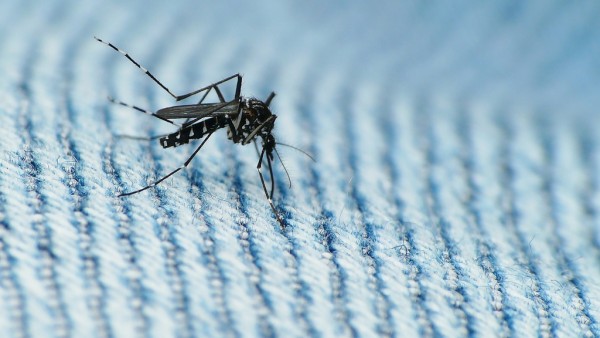
Zika might also spread through sweat

The Zika virus could also spread through sweat and tears

According to doctors, the Zika virus could also spread in tears and sweat. A Utah School of Medicine team of researchers believes that the Utah case of a senior man that infected his adult son just before he did, has no other explanation.

The worse news, according to specialists is that the 73-year-old infected patient suffered from no illness before he died because of Zika infection. It could only mean that the virus might also kill individuals who are not ill and frail.

The case was described by Dr. Sankar Swaminathan and his colleagues in detail.

The elderly citizen was the first to die because of the virus in the 50 US states. The research team noted that the 73-year-old patient was recently treated for prostate cancer, but the disease was not making him especially ill.

The patient returned from a 3-week journey to the southwest coast of Mexico. The area had been reported with the Zika virus. According to the researchers, he did not feel ill during his trip but has reported being bitten by mosquitos. When the senior man started developing symptoms like diarrhea and muscle pain, the team believed he suffered from dengue which is a very similar disease also spread by the same mosquito.

Unfortunately, four days after being admitted, the patient died of kidney and respiratory failure, and only the later tests showed that the man, in fact, suffered from Zika virus. However, the amount of the virus found in his system was incredibly high, thousand of times greater than usual.

After the patient had passed away, his 38-year-old son developed the rash which is a characteristic of Zika. He has admitted to helping a nurse reposition his father in the bed without using gloves. Besides wiping his father’s eyes during hospitalization and helping the nurse reposition the old citizen, he had no other contact with fluids and blood, according to the team. Swaminathan’s team concluded that because the older man had enormous amounts of the virus in his system, it could have also be found in the man’s tears and sweat, both of wich the younger man contacted without gloves.

Ebola cases have also spread through sweat in recent findings due to the high amounts of the virus in the blood. Also like Ebola, the Zika virus has been found in the eyes of patients.

Image source: Flickr

Filed Under: Health

Belly Fat Could Increase Heart Disease Risk

September 29, 2016 By Roxanne Briean 1 Comment

heart disease risk is increased by abdominal fat

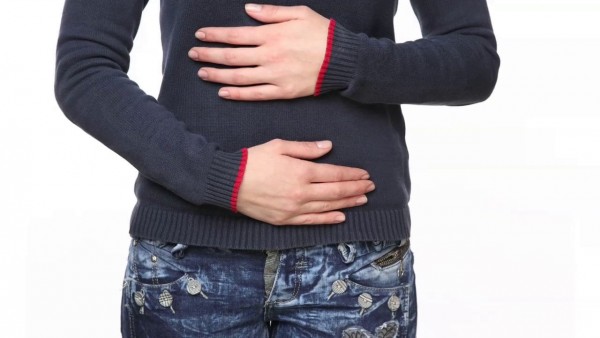
Having hidden belly fat could worsen heart disease risk factors.

According to a recent study, having hidden belly fat could worsen heart disease risk factors. The findings proved that people who carry excessive abdomen fat also called ‘spare tire’ have a greater disease risk than those who have fat deposits in other parts of the body.

The US National Heart Lung and Blood Institute mentioned that how much fat one person has is as important as the density of the stomach fat, specifically the hidden fat from the belly area. Normally, the lower the fat density, the higher the fat deposits.

The senior researcher of the study, Caroline Fox, and a former analyst at the U.S. National Heart, Lung and Blood Institute stated that a lower density fat and an increase in the amount of belly fat are linked to a greater disease risk factor.

1,106 adults from the Framingham Heart Study were analyzed using CT scans to examine the location, quality, and quantity of the abdominal fat. Participants were on average 45 years old, and 56 percent of them were men.

Specialists noted that the decreased fat density and increased fat located in the abdominal area were linked to a variation in the heart disease risk. Moreover, every extra pound of fat was associated with an increased hypertension, higher triglycerides, and metabolic syndrome.

Following the next six years of the monitoring period, adult participants gained on average a 45 percent visceral adipose fat also known as the fat inside the belly area and a 22 percent increase in subcutaneous adipose fat, which is fat under the skin.

However, the scientists mentioned that the study only revealed a link between cardiovascular disease and fat accumulated in the abdomen area and it does not mean that belly fat could indeed increase heart disease risk.

Today is the World Heart Day, and the World Heart Federation (WHF) is asking people to take action and transform the one in ten lives that are being taken prematurely because of cardiovascular disease (CVD).

CVD claims more than 17 million lives each year, and this makes it the leading cause of death globally. According to specialists, nearly 80 percent of premature deaths resulting from cardiovascular disease could be avoided.

WHF is asking governments and policymakers to implement reliable monitoring systems for CVD. Moreover, people could monitor their heart health by using the new Heart IQ Test to understand how ‘heart smart’ they are.

Image source: Wikipedia

Filed Under: Health

The Causes Of Crohn’s Disease Might Have Been Identified

September 29, 2016 By Cristopher Hall Leave a Comment

Crohn’s disease linked to fungi

New research shows links between fungi and Crohn’s Disease

Nearly 700,000 Americans suffer from Crohn’s disease which is an inflammation of the gastrointestinal (GI) tract. The researchers from the Case Western Reserve University of Medicine have discovered some information that could indicate the cause of the disease. Experts believe that the new data could someday lead to finding a cure for the illness or new treatment.

Crohn’s disease was first discovered in 1932 by Dr. Burrill B. Crohn, along with his colleagues and is part of a group of illnesses known as Inflammatory Bowel Diseases (IBD).

Crohn’s usually affects the beginning of the colon and the end of the small bowel called the ileum. However, it is known to attack any part of the (GI) tract. Although Crohn’s is very similar to ulcerative colitis, experts advise that it is not the same thing. The diseases have comparable symptoms, but they affect different areas of the gastrointestinal tract. The ulcerative colitis affects the inner lining of the colon while Crohn’s involves the whole thickness of the bowel wall. Symptoms of the inflammation of the GI tract include rectal bleeding, persistent diarrhea, abdominal pain, cramps, and constipation (it could also cause bowel obstruction).

Because the reasons for the disease are still unknown, scientists believe that it is due to more factors, including malfunctioning immune system and genetics. Moreover, other research shows that certain bacteria could be related to the illness.

The most recent study proves that fungi could also have a role in the disease. The lead author of the survey, Mahmoud A. Ghannoum, Ph.D., professor of the Center for Medical Mycology said that while other studies only analyzed bacteria, they have examined both bacteria and fungi. He also noted that they decided to do so because both the organisms live in our body and interact with each other.

The research involved 28 Crohn’s-free subjects from nine families, 20 individuals with Crohn’s and 21 Crohn’s-free subjects from four different families. Volunteers were from Belgium and northern France.

The findings showed that people with Crohn’s disease had substantial fungal-bacterial interactions. These patients had E. coli , Serratia marcescens bacteria and Candida tropicalis fungus. All the organisms were significantly higher in Crohn’s sufferers associated with their healthy siblings.

With these new findings, Mahmoud and his team hope to continue research and move forward in finding a new treatment for Crohn’s disease.

Image source: vimeo

Filed Under: Health

AIDS and HIV Cases in South Korea Are Increasing

September 28, 2016 By Nancy Young Leave a Comment

HIV cases have risen in South Korean

The rates of AIDS and HIV cases in South Koreans have risen sharply over the past ten years.

According to recent data, despite the worldwide decrease, the rates of AIDS and HIV cases in South Koreans have risen sharply over the past ten years. The HIV and AIDS infections have decreased worldwide by more than 35 percent from 2000 to 2015, as stated by the data gathered by the World Health Organization.

However, in South Korea, the HIV cases quadrupled in the same period. While in 2010 there were only around 220 newly infected patients with HIV, in 2015 the number could reach more than 1,018 new patients. Starting 2013, the number of newly infected patients each year did not go under 1,000. More than 93 percent of the infected patients were men in their early 20s and 30s.

Though the Centers for Disease Control and Prevention in South Korea’s spend nearly $8.2 million each year to prevent and fight HIV infections, their strategic methods and efforts appear not to be able to lower the number of HIV-AIDS patients in the region. The first HIV-positive individual was recorded in the country in 1985. Last year, the number of people living with HIV in the country reached 10,502, which marked the first time that the 10,000 limit was surpassed in the history of the disease in South Korea.

According to the Centers for Disease Control and Prevention, in the US there were nearly 6,955 deaths associated directly with HIV and more than 12,900 deaths of individuals diagnosed with HIV diseases categorized as AIDS in 2013.

HIV is a virus that attacks the immune system which is considered the organism’s genetic defense system against all diseases. When a person is infected with the virus, they will find it almost impossible to fight diseases and infections.

As the HIV advances, AIDS syndrome is produced. This syndrome appears when the body is too weak to fight most of the infections. It is considered the last stage of HIV when the body is attacked by many diseases and infections because it can no longer protect itself. Ultimately, if the illnesses are not treated properly, it will lead to death.

Though there is currently no known cure for HIV or AIDS, there are many individuals who can live a long and healthy life with the disease by administering proper treatment and dealing with potential side-effects.

Image source: Flickr

Filed Under: Health

Avoiding the Flu Or a Cold With Habits That Increase Your Immunity

September 28, 2016 By Michael Turner Leave a Comment

our immunity could be increased by our habits

There are some habits that could help us boost our immunity

Everybody knows that increasing your immunity helps to prevent the flu or a cold that could sometimes creep up on us. Boosting up our immune systems is so much more than just drinking orange juices, and it involves many habits that are very healthy and could also improve our mental state.

The development of healthy habits and paying closer attention to different aspects of our lives could help us fight the common cold while being in shape. According to the Centers for Disease Control and Prevention (CDC), five to 20 percent of the world’s population will get the flu while the common cold touches millions.

Rue Jean, a holistic wellness trainer, mentioned that a stress management routine is essential because stress is one of the fastest ways to break your immunity. Everything that could keep one’s mind off stress and get the person to calm down could work, from taking long walks to meditating and enjoying bubble baths.

A study from the Journal of Nutrition said that garlic is the number one weapon that helps your immune system. It lessens the severity of symptoms and reduces the duration of the cold.

Christopher Caulfield, a family nurse practitioner, mentioned that no pills at the vitamin store compare to the immune-rasing influence of good old exercise. Regular exercise induces a good circulation which allows substances of the immune system and the cells to travel through the organism freely and efficiently fulfill their role.

While people say that laughter is the best medicine, research from Alternative Remedies in Health and Medicine agrees that laughing helps reduce stress and increases the heart rate which influences the quantity of oxygen sent to the tissue.

Dr. Jeremy Overholt estimated that while our bodies are 80 percent or more made of water, when it enters into a slight dehydration stage, it causes a stress reply that will suppress our immune response.

Spending too much time at home alone will surely not help fight the common cold according to a study from Carnegie Mellon University. Researchers noted that the more friends an individual has, the less likely they are to develop a cold. When people have more friends, they tend to have a higher self-esteem which is associated with healthier behaviors.

Although just one of the above behaviors won’t help to boost your immunity, by combining as much as possible, you can keep your immune system at a higher level which can bring many benefits.

Image source: Pixabay

Filed Under: Health

Are Women Advised To Get Counseling Before Genetic Cancer Tests?

September 27, 2016 By Karen Jackson Leave a Comment

genetic cancer tests are needed for women with cancer family history

Women with family history cancer should be included in a genetic cancer tests program

Insurers and health care providers admitted that if women with family history of ovarian or breast cancer are put at a greater risk, they should be included in a genetic cancer tests program. However, they did not agree on what must women do before testing. They are now discussing whether they need guidance from a certified counselor or someone with a similar specialization before the tests.

Obstetrician-gynecologists mentioned that they are already counseling their patients about hereditary cancers of the reproductive organs, breast, uterus, and ovaries related to how they are counseling pregnant women about the prenatal genetic examination. Because they are licensed physicians, they could safely provide such type of care.

The past chairman of the American Congress of Gynecologists and Obstetricians, Dr. Mark DeFrancesco, said that the criteria for who should be rated for genetic cancer tests are simple-to-understand, and it usually analyzes if a family member has had cancer.

DeFrancesco recalled a patient whose mother, maternal aunt, and grandmother, all had breast cancer, but the insurer decided that she should first visit a genetic counselor before approving the testing. Because the process could be delayed by a few weeks, patients could decide that they do not want to get tested.

However, DeFrancesco believes that the genetic counselor would be more needed after the testing for patients who are positive for genetic mutations and need to understand the results.

Last December, physicians’ statement opposed the counseling before testing saying that it limits the patient’s access to care.

Insurers believe that before being tested for the mutations in two genes, BRCA1 and BRCA2, that raise the chance of ovarian, breast, and other cancers, women must be advised by a certified genetic counselor. UnitedHealthcare started asking for genetic counseling for BRCA tests in January.

Nevertheless, the U.S. Preventive Services Task Force advises that women with a family history of ovarian, breast, or peritoneal cancer should follow the genetic cancer tests first to discover if they are at increased risk for BRCA mutations, and if proved positive, referred for genetic testing and counseling.

Under the health law, if in-network providers offer the testing and counseling, women must not pay anything out of pocket.

Cigna’s medical officer for quality and clinical performance, Dr. Jeffrey Hankoff, was concerned that people would start to have tests ordered that they did not understand or were not needed.

Image source: Flickr

Filed Under: Health

DNA Study Shows Cats Were Travelling With Vikings

September 25, 2016 By Nancy Young Leave a Comment

Vikings used to take cats in their journeys

Vikings were travelling with cats.

Who would have thought that the tough Vikings were travelling with cats across Europe? Researchers discovered an ancient cat DNA that proves that before becoming one of the most common pets in the United States, cats had the journey of their lives with the Vikings.  There were always people who wondered how cats spread in so many countries and when they became so common in our houses.

Researchers from the Institut Jacques Monod, in Paris, used data from 290 cats which were found from more than 30 archeological excavations in the Middle East, Africa, and Europe. They were also able to find some cat remains in a Viking grave.

According to the researchers, ancient felines most likely spread in two waves. The first one happened due to earliest farmers in Europe. The second one was when cats went from Egypt to Asia and Africa. In this second wave, Vikings were also travelling with cats during their journeys.  Researchers have also the evidence for this. They found out that the cat remains from the Viking grave were similar to those from the Egyptian cat mummies.

It was easy for the Vikings to travel with cats on ships because they are small animals. Moreover,  there were a lot of mice on those ships, so cats were helping the Vikings against them. The furry creatures managed to go to places such as Greenland and now they are one of the most popular in the world. According to the American Pet Products Association, almost 96 million cats are only in the United States. There are 37 percent of American houses who own a cat and more who wish to have one. This thing happens also in Europe, where dogs and cats are the most common animals people keep in their houses.

Even though now cats are common, during the Viking age, they were rare and also expensive. This could be unusual for us, but in the ancient times, these felines were connected to gods. Things changed and now we can find them on the streets, in shops so we do not pay so much attention to them. It is interesting to find out that the tough Vikings, who scared so many people, were having cats with them during their journeys.  Cats were having a close relationship with humans from the ancient times.

Image source: Pixabay


Filed Under: Health

Gonorrhea Becomes Resistant To All Antibiotics

September 24, 2016 By Nancy Young Leave a Comment

Gonorrhea is a big threat.

Antibiotics will not treat gonorrhea.

Researchers were concerned because gonorrhea could become resistant to antibiotics and it seems that they were right. There are only two pills that are able to cure this disease and they are less efficient. Moreover, the Centers for Disease Control and Prevention has already found a case in Hawaii where the virus showed resistance to one of the drugs. There will not be much time before the second antibiotic will not be able to treat this disease.

Scientists are not trying to use the two drugs in combination, hoping they will find a way to treat the bacteria. However, things are not looking so good.  Researchers will have to find another treatment in the future because those who we already have do not seem to be efficient. Since 2005, there were more cases of people who got gonorrhea and they were not able to cure. This case, found in Hawaii, is the first one discovered in the United States. We do now what will happen, but a new treatment has to be found if we want to have a chance against this disease.

Dr. Jonathan Mermic, director of CDC’s National Center for STD, said that if the treatment will fail, 800 000 Americans will be in danger every year. There were six men and a woman who got infected with gonorrhea in Hawaii and they were all cured, but it took a big effort to do that because the antibiotics did not seem to work.

Researchers are trying to find a better treatment, but there will be years before we will be able to use it. For now, our only hope is the combination of those two drugs. If that will not work, we will be in danger.

Gonorrhea is a sexually transmitted disease than can infect men and women, especially those between 15 and 24 years-old.  Every person who is sexually active can be infected with this disease. It affects our genitals and throat and is can be really dangerous if it is not treated. The best way to prevent this disease it to use condoms every time you have sex and also make sure your partner has been tested for STD.

Doctors will test your urine to see if you are infected and if the test is positive, they will start the treatment. We are hoping another treatment will be on the market in a few years because gonorrhea becomes resistant to antibiotics.

Image source: Public domain image

Filed Under: Health

Holidays Bring More Weight

September 23, 2016 By Deborah Campbell Leave a Comment

Holidays

The effects of the holidays were visible in every country. For the Western nations like America and Germany, Christmas was the one that brought them the most weight.

A new study showed that holidays don’t bring only joy and happiness, they also make you fat. People from the U.S that took part in this research had a 0.2 percent increase in weight after Thanksgiving and 0.4 percent after Christmas.

Despite these result, Americans are not the only ones that are getting rounder after the holidays. German people had a rise of 0.6 percent at Christmas and 0.2 percent near Easter. In Japan, people saw their weights rise with 0.5 percent around Christmas and 0.3 percent over the Golden Week, a 4-week national holiday.

“Different countries celebrate different holidays, but many such celebration periods have one thing in common: an increased intake of favorite foods,” study author declared.

The researchers gathered data from August 2012 up to July 2013 and examined it thoroughly. To determine the difference between a period of holiday weight and a normal weight, the researchers compared the biggest weight of every person during a holiday to the one before the holiday.

The effects of the holidays were visible in every country. For the Western nations like America and Germany, Christmas was the one that brought them the most weight. For Japanese people, it was the Golden Week.

Other studies on this topic were not as relevant as this one because for the cited study used a wireless scale, while the others were based on data reported by the participants.

The author of the study mentioned that he found it surprising that Americans didn’t start to put on weight on Labor Day or the 4th of July.

The study also found that it is important to start a diet before the holiday season if you want to succeed, because if you wait until January you already gain more weight during that time.

“Make an October resolution instead of a New Year’s resolution,” joked Wansink, the author.

The extra weight was lost in time. Half of it was lost after a few days and the other half lingered until the summer, or even after it.

The study was published in the New England Journal of Medicine this Thursday.

Do you usually gain more weight in the holidays? If you do, how do you manage to get rid of it afterwards?

Image source: Wikipedia

Filed Under: Health

Eggs and peanuts could cut children’s allergy risk

September 21, 2016 By Nancy Young Leave a Comment

The allergy risk can be prevented.

Give your child eggs and peanuts at an early age and you will prevent the allergy risk.

A new study shows that giving eggs and peanuts to babies can reduce the allergy risk. It seems that it timing is really important. If you give these products to our child when he/she is still a baby, there could be a lot of benefits regarding the allergy risk.  There are a lot of kids who are allergic to common food, such as eggs. Researchers wanted to find what are the effects if kids will get them from an early age.

They used data from 140 studied that talked about the risk of food allergies for children. They discovered that kids who eat peanuts between the ages of four and eleven months had a 70 percent reduced peanut allergy risk. Moreover, a similar thing happened to those who ate eggs from an early age. It is like our body gets used to some food products when we are younger and protect us from allergy risk.

Even though doctors were advising the parents to delay giving their kids food like egg, peanut or fish, it seems that this new study has a different opinion. If parents introduce egg and peanuts at an early age, they will be able to prevent allergies. Researchers also studied milk, fish, and almonds, but there was not enough evidence that introducing these foods can reduce the allergy risk.

Of course, those who have kids that have already a food allergy should pay more attention. The best thing to do is to go to your doctor before giving your child eggs or peanuts. If he is already developed an allergy, giving him these products will make things worse. Doctors are advising parents to give their children small pieces of eggs or peanuts and see how they are doing after. If they do not develop any side effects, your child should not have any problem in the future regarding the matter.

This study is the largest one on the effect that some foods can have on babies. It seems that introducing eggs and peanuts into your kid’s diet, at an early age, can really reduce the allergy risk. When your child develops a food allergy, his/her life would be more difficult. It is hard to find food who does not involve eggs, for example. If there is one chance to prevent the allergy, you should try it when your kid is still at an early age.

Image source: Public domain pictures

Filed Under: Health

  • « Previous Page
  • 1
  • …
  • 18
  • 19
  • 20
  • 21
  • 22
  • …
  • 42
  • Next Page »

Subscribe to Blog via Email

Enter your email address to subscribe to this blog and receive notifications of new posts by email.

Join 11 other subscribers

Recent Articles

police handcuffs man

German Man Probed In Poisoning That Killed 21 Employees Since 2000

June 29, 2018 By Kenneth Scott Leave a Comment

Chicken wings bar

Intoxicated South Carolina Man Punches Waitress Who Refused to Serve Him Alcohol

June 29, 2018 By Karen Jackson Leave a Comment

gaming

New Zealand gamer Who Flew Halfway Across The World for Virginia Teen Gets Shots By Her Mother

June 28, 2018 By Cristopher Hall Leave a Comment

party

Former Virginia Tech Freshman Sentenced to 50 Years in Prison for Stabbing a Girl to Death

June 28, 2018 By Roxanne Briean Leave a Comment

bonfire

British Couple Sentenced to Life in Prison for Torturing and Murdering French Nanny

June 27, 2018 By Deborah Campbell Leave a Comment

pay phone

Texas Father of Girl Disappeared in the 80s Ignored by Authorities

June 26, 2018 By Cristopher Hall Leave a Comment

bottled water

San Francisco Woman Threatened to Call Police on Girl Who Sold Ice Water for Disneyland Trip

June 25, 2018 By Roxanne Briean Leave a Comment

Maplewood Park

Missouri Man Robbed by Date and Accomplice in Park

June 22, 2018 By Nancy Young Leave a Comment

coding

New York Man Sentenced in Cyberstalking Former Girlfriend, Mailing Drugs to Her Dorm

June 22, 2018 By Deborah Campbell Leave a Comment

headphones

Bose Poised to Launch Sleepbuds, In-Ear Headphones That Help You Sleep

June 21, 2018 By Nancy Young Leave a Comment

Police light

Intoxicated Female Driver in Custody for Pulling Arresting Officer by the Hair

June 21, 2018 By Kenneth Scott Leave a Comment

kitchen

Restaurant Manager Arrested and Charged in Shooting Death of Co-Worker over Negative Yelp Reviews

June 20, 2018 By Karen Jackson Leave a Comment

plastic container

Pennsylvania Couple Charged in Violent Death of Infant Discovered Buried in Cat Litter

June 19, 2018 By Cristopher Hall Leave a Comment

tailpipe

Minnesota Teen Gets Head Stuck In Oversized Tailpipe Winstock Music Festival

June 18, 2018 By Karen Jackson Leave a Comment

Pages

  • About Us
  • Contact us
  • Privacy Policy
  • Privacy Policy GDPR
  • Staff
  • Terms and Conditions

Recent Posts

  • German Man Probed In Poisoning That Killed 21 Employees Since 2000 June 29, 2018
  • Intoxicated South Carolina Man Punches Waitress Who Refused to Serve Him Alcohol June 29, 2018
  • New Zealand gamer Who Flew Halfway Across The World for Virginia Teen Gets Shots By Her Mother June 28, 2018
  • Former Virginia Tech Freshman Sentenced to 50 Years in Prison for Stabbing a Girl to Death June 28, 2018
  • British Couple Sentenced to Life in Prison for Torturing and Murdering French Nanny June 27, 2018
  • Texas Father of Girl Disappeared in the 80s Ignored by Authorities June 26, 2018
  • San Francisco Woman Threatened to Call Police on Girl Who Sold Ice Water for Disneyland Trip June 25, 2018

Categories

  • Business
  • Entertainment
  • Finance
  • Headlines
  • Health
  • Life
  • Nature
  • Science
  • Sports
  • Tech & Science
  • Travel
  • Uncategorized
  • United States
  • World

Copyright © 2026 ArgyllFreePress.com
About · Privacy Policy · Terms of Use · Contact