Early exposure to antibiotics could increase the risk of hay fever or eczema later in life.
Researchers from the Utrecht University in the Netherlands believe that early exposure to antibiotics could increase the risk of hay fever or eczema later in life.
Fariba Ahmadizar, the lead author of the study along with her colleagues, examined multiple investigations from 1996 to 2015. These included hundred of thousands of individuals. The findings proved that early exposure to anti-infection agents could cause severe allergies in the later years.
The risk of eczema was studied with a total of 22 investigations that involved nearly 394,517 patients, while the risk of hay fever was analyzed using another 22 studies that comprised approximately 256,609 subjects.
The conclusions of the research were that when antibiotics are taken within the first two years of life, the risk of eczema is increased by 15 to 41 percent. On the other hand, early exposure to antibiotics was related to a 15 to 56 percent enhanced chance of hay fever at some point in life. Hay fever is one of the most widespread chronic illnesses that strikes more than 30 percent of the individuals.
It usually causes nasal problems and chronic sinus. Although elderly adults are also affected by the disease, children are the age group most affected by the illness. Hay fever produces irritation and inflammation of the nasal tunnels due to seasonal allergens. Similar to other allergies, the disease’s symptoms include a runny nose, sneezing, nasal congestion, post-nasal drip, and itching of the nose. It is caused by an allergic response to airborne plant pollens. Luckily they can be present for only two parts of a year, such as Fall or Spring.
Patients who underwent one course of antibiotics had fewer risks than those who experienced two courses of anti-infection agents.
Adam Finn, a professor of pediatrics at Bristol University mentioned that although the medicine can ease pain from infections as well as save lives, their long-term administration could have a downside. He also stated that both doctors who prescribe the pills and patients who ask for them must pay more attention to the long-term effects that the drug can have.
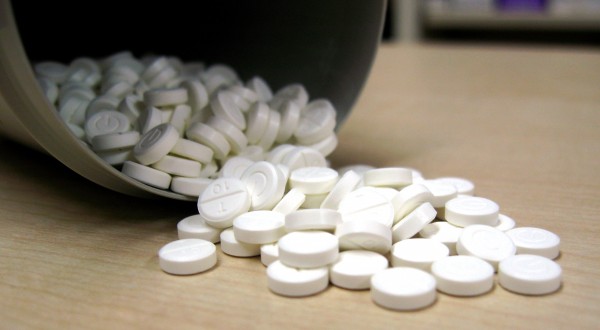
People must understand that antibiotics should not be taken unless it is necessary. Moreover, when overusing the medicine, individuals increase antibiotic resistance.
Image source: Wikipedia