The U.S. Food and Drug Administration is banning most antibacterial soaps
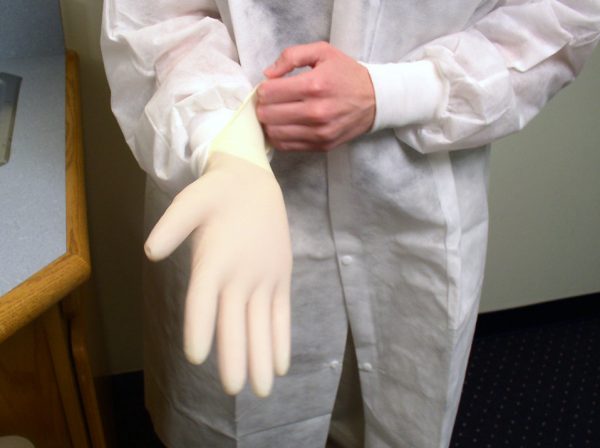
The U.S. Food and Drug Administration recently forbade most of the body washes antibacterial soaps often found on store shelves, claiming that the products constitute potential health risks and are not different from the traditional old soap and water. FDA says that the ban includes body washes and soaps holding triclocarban and triclosan, two of the most common antibacterial components. 17 more ingredients are added in the refusal.
The director of the Division of Nonprescription Drug Products at the FDA’s Center for Drug Research and Evaluation, Dr. Theresa Michele stated that most of the products containing on the label the term ‘antibacterial’ or ‘antimicrobial’ include at least one of the components that are banned by FDA. Michele also mentioned that there are approximately 2,100 antibacterial soaps marketed today, signifying about 40 percent of the total soap market.
More than 2 million people a year in the United States grow contaminated with antibiotic-resistant bacteria. Moreover, as the U.S. Centers for Disease Control and Prevention states, at least 23,000 die from this infection.
The long-term usage of the now-banned active components could also imply other concerns. For instance, more recent investigations have proved that triclosan can attack the estrogen, thyroid and testosterone systems of mammals. The agency reported that the component could have implications for human health as well.
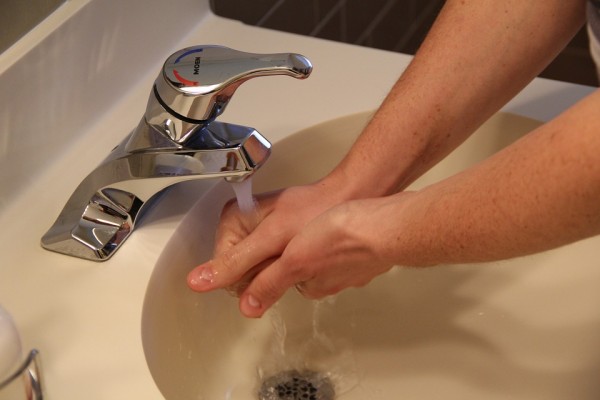
Nevertheless, FDA stated that companies couldn’t show how their antibacterial merchandises are any better than regular soap and water at limiting the spread of germs. To avoid getting ill and restrict the spread of germs, notably through the start of the school year, people should remain constant in washing their hands with regular soap and water.
CDC suggests that people utilize an alcohol-based hand sanitizer including at least 60 percent alcohol if water and soap are not available.
Despite the fact that FDA recorded that many companies have previously started phasing out triclocarban, triclosan, and other active components, corporations have been given a year to conform into the ban.
FDA considers that the ban will limit Americans’ vulnerability to these active components by 2.2 million pounds per year.
Michel mentioned that triclocarban is seen in bar soaps while triclosan is most frequently included in liquid soap.
Image source: Pixabay

Latest posts by Nancy Young (see all)
- Missouri Man Robbed by Date and Accomplice in Park - June 22, 2018
- Bose Poised to Launch Sleepbuds, In-Ear Headphones That Help You Sleep - June 21, 2018
- Russia Is Developing a Space Debris Laser to Keep Space Clean - June 15, 2018