Argyll Free Press

Growing News Network

Thursday, April 16, 2026
Log in
  • Business
  • Finance
  • Sports
  • Tech & Science
    • HP Envy 4500 Review
    • LG Optimus 170 Review
    • iPod Touch 6th Generation Review
    • HTC One M8 Accessories Set-up
    • Surrealist Games You Must Play
    • Hisense Sero 8 Review
    • Dell Latitude e7440 Review
    • HP Laserjet 1536dnf mfp Review
    • Garmin Fenix 2 Review
    • Skype Vs Viber
    • Best Video Conferencing Software
    • Sony mdr 1r Headphones Review
    • Canon Rebel t3i Review
    • Sennheiser Momentum 2-0 Review
  • Travel
  • Headlines
  • Health
  • United States

New Sensor Detects E-Coli and Deadly Bacterial Infections Faster

September 7, 2016 By Kenneth Scott Leave a Comment

E.coli could be identified in less than 30 minutes

The new sensor detects E.coli and other similar bacterial infections faster

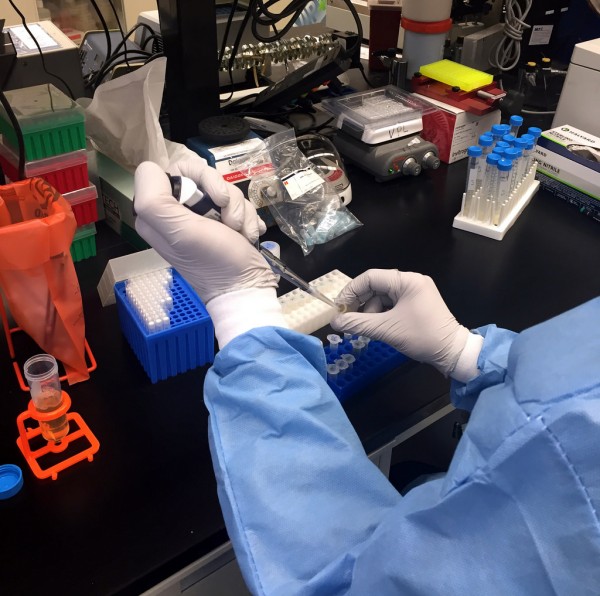
Scientists at the Indian Institute of Technology-Kanpur (IIT-K) have developed a unique sensor that can identify E.coli and similar bacterial infections in water and food in less than 15-20 minutes. Usually, traditional lab experiments depend on the increase of the bacteria within the specimen, and it could last as long as several days.

A physicist at IIT-K, Saurabh Mani Tripathi, believes that the fast reply time for suitable detection and following remedy of bacterial infection, which is one of the biggest causes of death, is much needed.

The device was produced with the help of researchers at Photonics Research Centre at the University of Quebec. It works over extended temperature ranges to swiftly and cost-effectively recognize the possibly deadly E. coli.

The new sensor uses viruses that can quickly kill bacteria called bacteriophages. The viruses are chained to the exterior of an optical fiber. By grabbing the E.coli bacteria from a specimen, it keeps them attached. If a ray of light hits the surface, it signals bacterial contamination if E. coli is present.

Because the temperature variations can modify the characteristics of the materials, if the sensors are created to work at a proper temperature, if specimens get much colder or hotter, they will present inaccurate results.

However, the scientist discovered that by attaching an extra optical component it would cancel out temperature-induced variations.

Their device is temperature insensitive going up to 40-degrees Celsius from room temperature. The temperature range makes the device perfect for observing water reservoirs, for example.

E.coli is a bacteria usually encountered in foods, the environment, and intestines of animals. It is a wide and distinct group of bacteria. Though most strains of E. coli are inoffensive, some create a toxin that makes people sick.

A scientist at the Indian Institute of Technology Kanpur,  Saurabh Mani Tripathi, said that pathology labs and food industry laboratories could be two of the users of the new sensor. By adjusting the bacteriophage, the sensor can identify other strains of bacteria.

Collaborating with the Security and Protection International, Inc., the study group follows the commercialization of their invention. Despite the fact that it is tough to determine a value at this moment, researchers hope they will be ready to bring forth their portable device to users for a few thousand dollars.

Image source: Wikipedia

Filed Under: Tech & Science

Toxic Air Pollution Particles Detected In The Human Brain

September 6, 2016 By Karen Jackson Leave a Comment

air pollution generates magnetic particles that remain in the human brain

Tiny magnetic bits from air pollution have been observed for the first time to remain in the human brain.

Researchers have found serious quantities of possibly toxic magnetic nanoparticles in the human brain, inducing the fear that these could cause brain diseases like Alzheimer’s. These tiny magnetic bits from air pollution have for the first time been observed to remain in the human brain.

Lancaster University specialists saw abundant magnetite nanoparticles in the brain membrane of 37 people aged three to 92-years-old from Manchester and Mexico City. The toxic magnetic mineral is involved in the creation of reactive oxygen species (free radicals) in the human brain. They are highly connected to neurodegenerative illnesses.

Lancaster Environment Centre professor, Barbara Maher and some of her colleagues from Mexico City, Oxford, Manchester, and Glasgow utilized spectroscopic investigation to distinguish the particles as magnetite. Contrary to angular magnetite that is supposed to form frequently within the brain, the 150 nm spherical particles that the scientists observed were typical of a high-temperature formation such as from open fires or automobile (mostly diesel) engines.

The toxic magnetite particles disturb normal cellular roles in the brain by inducing oxidative stress and producing unstable free radicals – bits which damage essential constructions in brain cells.

More recent studies have found an association between high quantities of magnetite and the Alzheimer’s disease, although no explicit connection has been confirmed.

Unfortunately, every year more than three million premature deaths occur due to air pollution, according to the World Health Organisation.

It is estimated that in U.K alone, 50,000 individuals die annually due to air pollution, and more than 520,000 are assumed to suffer from Alzheimer’s, a common form of dementia.

The co-director of the Centre for Paleomagnetism and Environmental Magnetism at Lancaster University, Barbara Maher, mentioned that the magnetite nanoparticles from the atmosphere could access the human brain.

By doing so, they are known to affect people’s health, including generating diseases such as Alzheimer’s. She also stated that when analyzing the human brain and doing a magnetic extraction she discovered millions of particles in just one gram of brain tissue. The millions of particles represent millions of o opportunities to harm the human body.

However, it’s too early to confirm that the particles could influence Alzheimer’s disease or any other kind of brain illness and scientists believe that more studies need to be made.

Image source: Pixabay

Filed Under: Tech & Science

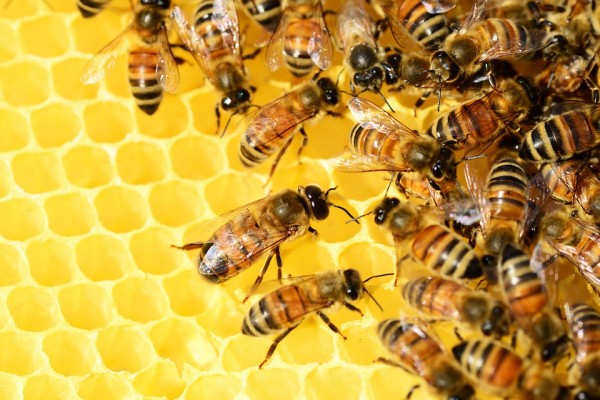
The Honey Production Industry In North Dakota Is In Danger

September 3, 2016 By Karen Jackson 1 Comment

honey production decreased in North Dakota

Could North Dakota continue to be the national leader in honey production?

The yearly substitution of queen bees to control hive fertility has hurt the apiary community raising the question as to whether North Dakota could continue to be the national leader in honey production in future years.

Dave Huelsman, the owner of D & L Apiaries, has developed his business since 1992 and now owns 130 beehive places in northwest North Dakota. It is almost impossible for him to place an order to suppliers for 4,000 queen bees, a year ahead if he is to be guaranteed that mated queens come spring.

Guessing which bee communities might fail is a pricey chance apiarists have to take once they have to pay $8 per queen. According to Huelsman, the request has now pushed the price to $24 each. He also added that it’s getting harder to save queens as they tend to lose fertility and eventually end up only producing male offsprings. When this starts happening, the producers consider the hive a dead one.

While a queen’s purpose is to provide the functioning duties of the hive, a drone’s only objective is to mate with a queen.

Without the queens that create worker bees, apiaries are required to requeen hives at an accelerated rate. Huelsman supposed that by giving the queens pollen substitute, they are pushing the queens too hard. Wheat and beets crops offer bees no nutrition and don’t need pollination.

The skepticism with suppliers has changed from buying mated queens to cell-form – which would be mated by their drones after queens get out of their cell. The success rate of this process is estimated by Jay Miller of JL Apiaries at around 80 percent.

The best producer of the cold-pressed honey lemonades, Honeydrop Beverages, celebrates honey’s purity and versatility in honor of National Honey Month this September. National Honey Month acknowledges Colony Collapse Disorder which is a phenomenon that happens when worker bees abandon the colony and leave the queen behind along with nurse bees to look after for the surviving immature bees and plenty of food. This process highly influences the honey production.

The ‘Buy a Bottle, Save a Bee’ program is the initiative of Honeydrop Beverages to fight the Colony Collapse Disorder. With every bottle sold, a percentage of the profit is donated to beekeepers to create new hives and run instructional programs to assist the protection of the bees and to guarantee that honey can be appreciated in the future.

Image source: Pixabay

Filed Under: Tech & Science

Mountain Lions In LA Are Facing Extinction

September 2, 2016 By Roxanne Briean Leave a Comment

mountain lions in LA are facing extinction

A population of mountain lions faces possible extinction in the future

According to a new study, a population of mountain lions faces probable extinction in the coming future due to inbreeding.

Wildlife scientists from the National Park Service and experts at the University of California are warning that the mountain lions could perish in the next 50 years if modern development advances to isolate them in their native habitat.

Around 15 mountain lions are now living in Santa Monica and are unable to leave the area and find the rest of their species because of the changes humans made. If there are no changes performed to help them shortly, they will have more problems in the next few years.

Moreover, many people consider that taking care of the jeopardized species is not their problem.

John Benson, a wildlife ecologist from the Los Angeles Kretz Center for California Conservation Science at UCLA, mentioned that unless a way is discovered to assist them to make a passing from one domain to another, extinction could be only decades apart.

The mountain lions are separated from other animals in neighboring wildlands by the 101 Freeway, which holds 8 to 10 lanes of some of the substantial traffic in the United States.

Due to the freeway, lions from the north in the Simi Hills, Los Padres National Forest, and Santa Susana Mountains can’t reach them, causing poor breeding opportunities.

Unfortunately, the two males in the group partner with their offspring, producing severely low genetic diversity which can point to extinction and poor health.

Experts associated the L.A. animals with a group of Florida panthers (mountain lions and panthers are the same species) that almost went extinct because of low biodiversity, a condition usually identified as inbreeding depression. It then led to Florida lions forming holes in their hearts while the males became sterile.

An NPS wildlife ecologist, Seth Riley said that this made the population more susceptible to disease and weaker. Moreover, Florida took in eight panthers from Texas, and the community climbed from 25 to 200.

While this is an answer, the scientists wish something different could be done shortly to improve the biodiversity of the mountain lions in the Santa Monica Mountains.

However, an overpass over the 101 Freeway or a side road for the mountain lions and other animals that want to connect with more of their species could be the best solution.

Image source: Wikipedia

Filed Under: Tech & Science

Retinoic Acid Helps Combat Colon Cancer

August 31, 2016 By Karen Jackson Leave a Comment

Retinoic acid could help overcome colon cancer.

Retinoic acid which is a compound obtained in the body from vitamin A could help overcome colon cancer.

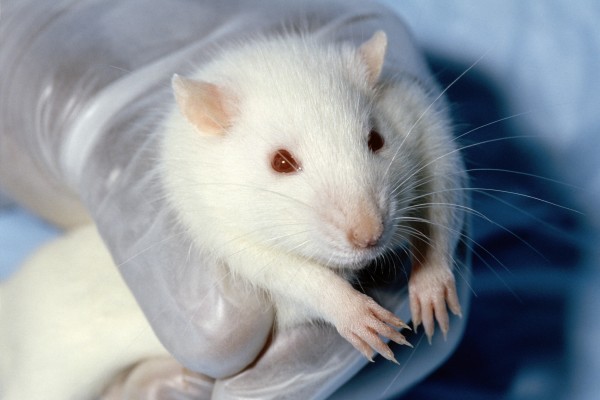
A new animal research implies that the retinoic acid which is a compound obtained in the body from vitamin A could have a significant role in overcoming colon cancer.

The senior study author Dr. Edgar Engleman also a professor of medicine and pathology at Stanford University School of Medicine in Palo Alto, Calif mentioned that the retinoic acid is known to suppress inflammation in the intestine.

When external intruders like bacteria wind up in the intestines, the immune system prepares to crush them. Most of the times, inflammation — which results from the discharge of chemicals from damaged cells leading to swelling — results. Cancers including colorectal cancer are influenced by these inflammations. Moreover, inflammatory bowel disease, like ulcerative colitis, has been correlated with colon cancer.

Engleman wanted to determine whether and how retinoic acid levels instantly affect cancer spread.

The researchers discovered that mice with colon cancer had lower levels of retinoic acid in the intestines. The study also showed that in humans, colon cancer victims who had raised levels of a protein that degrades retinoic acid in their intestinal tissue led to having worse results than other patients.

Researchers tried to find out if taking the levels of retinoic acid in the tissue close to a more normal range could influence the disease progression. Engleman mentioned that when they supplied the animal with retinoic acid they were capable to dramatically decrease the tumor burden in the animals. Like expected, when they started inhibiting retinoic acid activity meaningfully enhanced the tumor burden.

The research is the primary to explain an intricate dance between immune-related inflammation, retinoic acid levels, and gut microorganisms.

The researchers then examined the levels of the synthesis and degradation proteins in collected samples of intestinal tissue taken from individuals with either ulcerative colitis or colorectal cancer linked with ulcerative colitis. However, it was not plausible to directly estimate the retinoic acid levels in the human tissues because the samples weren’t freshly obtained but stored.

It seems that the study conclusions pointed out new ways to treat or prevent colon cancer. However, the animal experimentation doesn’t always provide the same effects in humans.

After discovering a role for retinoic acid insufficiency in colorectal cancer, scientists would like to name the specific microorganisms that started these changes in humans.

Image source: Wikipedia

Filed Under: Tech & Science

Mars Could Host Water, But Not Important Quantities

August 30, 2016 By Deborah Campbell Leave a Comment

Scientists assume water could be on Mars

Mars could host water but not significant quantities

Mars, also known as the Red Planet, is a barren and dry place with no apparent signs of life. However, some signs of liquid water on the planet have been discovered, the latest being a mysterious and dark strip NASA’s Mars Reconnaissance Orbiter saw not long ago.

Finding liquid on the Red Planet could be extraordinarily significant because this could mean that researchers could discover possible life forms and supplies that could be utilized to improve lives for humanity.

Further analyzing of the dark streaks showed that it isn’t sufficient water as previously hoped. Moreover, researchers are sure that whatever water exists there, it is not drinkable.

To make things worse, the scientists noted that the amount of water that could be found on Mars could not surpass the quantity of water seen on Earth’s driest desert. This is a great disappointment for people hoping to find huge amounts of liquid water on the surface of the Red Planet.

By remotely using the Mars Odyssey’s Thermal Emission Imaging System (THEMIS) the scientists concluded that there isn’t significant water on Mars.

Whenever water is accessible between the grain of sand and ground, the temperature of the soil does not warm up as quickly in comparison to when there is no disposable water. The farther the seeps, the more isolated the land becomes.

NASA experts decided that the ground could only contain 3 percent of water, after examining the information from THEMIS. That is a comparable dryness level to the one seen in the Atacama Desert.

Researchers mentioned that their conclusions are compatible with the appearance of hydrated salts since you can have hydrated salt without possessing enough for the water to begin loading pore spaces between particles. Salts are known to convert into hydrated by extracting water vapor in the atmosphere. It does not need an underground spring of water.

Unfortunately, if the conclusions of the research prove to be entirely accurate, we must cease from believing that we will ever encounter considerable amounts of water on Mars. Although tiny amounts of water can host life, we must reconsider the idea of ever finding life on Mars, because the prospects of seeing life are based on discovering large amounts of water.

Image source: Wikipedia

Filed Under: Tech & Science

Medication used for treating Tapeworm and Hepatitis Could Cure The Zika Virus

August 30, 2016 By Cristopher Hall Leave a Comment

A possible cure the Zika virus

The first possible therapeutic treatment that could cure the Zika virus has been discovered

Researchers from Florida State University issued a study that recognizes the first possible therapeutic treatment that could cure the Zika virus.

As public health officials struggle to restrain the virus’s spread, a team of researchers from National Institutes of Health and Johns Hopkins University announced analysis that showed how two separate groups of drug mixtures could possibly stop the virus from reproducing in the body and destroying fetal brains.

One of the drug combinations is an FDA-approved medicine used to treat tapeworm.

State health officials are now going door-to-door leading epidemiological investigations into local Zika epidemics in Palm Beach, Miami-Dade, and Pinellas counties. Fortunately, no new travel-related incidents have been reported.

Only a one-square-mile region of Miami’s Wynwood community and a 1.5-square-mile territory in Miami Beach are the two zones in the continental United States where Zika is actively being spread by mosquitoes.

The research team which announced their conclusions in the journal Nature Medicine may be the first to discover a treatment that could cure the virus. However, this therapy is thought to be created in 1947 but continued to be little understood until an outbreak raced across South America in 2015.

The organization tested the drugs upon three strains of Zika virus: African, Puerto Rican, and Asian. The screening system also utilized a type of protein that induces cell death when contaminated with the virus. After screening approximately 6,000 compounds, more than 100 showed promise.

The next step was to test those on brain cells that had been contaminated with Zika virus to see if they protect the cells. The three primary compounds they found either blocked the virus from killing brain cells or repressed Zika replication. The compounds were emiracsan, cyclin-dependent kinase (CDK), and niclosamide.

Niclosamide is approved in animals and people for fighting parasitic infections, like tapeworms.

Emiracsan is now used in clinical trials for preventing liver injury from hepatitis C disease.

The cyclin-dependent kinase represents an investigational composite with antiviral properties.

In order to cure the Zika virus, a professor of neurology at Johns Hopkins, Guo-Ii Ming, believes that the next step is to test the drugs’ action against Zika in animals.

Image source: Flickr

Filed Under: Tech & Science

Dogs Do Not Prefer Treats Over Praise From Owner

August 29, 2016 By Nancy Young Leave a Comment

dogs favor praise instead of food

More dogs prefer praise from their owners instead of food as a reward

According to a new study published online in the journal Social, Cognitive and Affective Neuroscience more dogs prefer praise from their owners instead of food as a reward.

The finding by Emory University neuroscientist Gregory Berns attended a different method of investigation: while the dog was awake and unrestrained, an MRI was scanning the dog’s brain to assess how they would respond to various behavioral investigations conducted by the researchers. A unique methodology that studies the brains of the alert man’s best friend was used to explore their minds.

Berns convinced 13 dog owners in the Atlanta area to let their dogs join the study. He wanted dogs that would be able to remain calm for 30 minutes, meaning gentler, less high-energy canines such as retrievers were required.

In the first experiment, the dogs were presented photos of a toy car, a hairbrush, and a toy horse. Following the first object, they were given food, praise after the second one, and nothing for the third. A second experiment was created to confirm the findings.

During this second test, a subset of the dogs was not praised, and the brain images were alike.  The lead author of the study declared that the animal reacted strongly to praise during the first experiment were more disappointed when they received nothing during the second test.

In the third experiment, the dogs which were placed in a maze had to choose between being praised by their owner or finding a bowl of food. Only two of the dogs concentrated on the bowl while the others either preferred getting praised by their owners over food or they seemed to like both evenly.

The findings can be used to improve dog training or to help distinguish which of them might be qualified as service animals.

Men’s best friend who prefers social reward over food might be suitable for particular therapeutic or assistance jobs. However, the ones that preferred the food could be more qualified for jobs that are more independent from humans like search-and-rescue missions.

The team’s present goal is investigating dogs’ capacity to process and interpret human language.

Image source: Flickr

Filed Under: Tech & Science

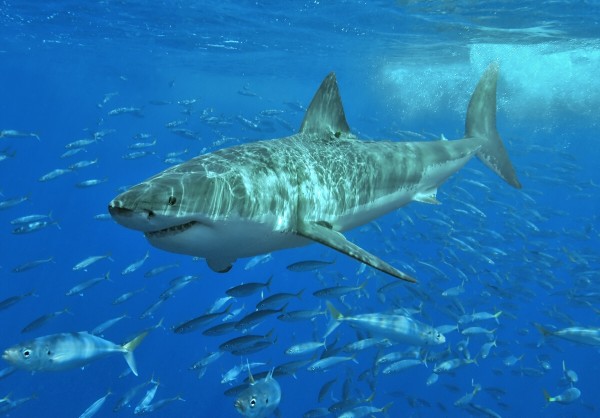
First Great White Shark Nursery Found In The North Atlantic

August 28, 2016 By Michael Turner Leave a Comment

white shark nursery found in the North Atlantic

Ocearch discovered a great white shark nursery in the North Atlantic

Ocearch, an ocean organization leading marine research, has made an unusual discovery right in the North Atlantic, near Montauk in Long Island: a white shark nursery. It could possibly be the birthing site of great white sharks.

Ocearch’s founding Chairman, Chris Fischer says that this was ‘the holy grail of the research,’ and probably the most important discovery they have ever performed in the ocean. Till date, Ocearch has conducted 26 campaigns, and all of them were directed at saving the ocean. The Wildlife Conservation Society and the Long Island Shark Collaborative were also present with Ocearch. Both of them intend to proceed with tracking the white sharks.

They are also getting blood samples and performing muscle biopsies.

The discovery isn’t just beneficial for the knowledge of the people, but it also gives Ocearch and other associations the possibility to defend the animals. Finding the nursery where they give birth and nourish their children in the North Atlantic gives the organization the chance to take care of the great white sharks which are already thought to be extinct.

They great white shark also acknowledged as the great white is a species of large lamniform shark which can be observed in the coastal surface waters of all the major oceans. It is notable for its size, with mature female individuals growing up to 6.1 m in length and 1,950 kg.

Ocearch’s primary goal is to prevent the great white sharks from being captured. According to the International Union for the Conservation of Nature, these animals are especially helpless when giving birth to their youngs.

Fischer announced that they would try and determine if any of the sharks is the offspring of great whites that they have first confronted in Cape Cod.

Ocearch has been putting tags on great white sharks’ dorsal fins to follow them, and as soon as they surface, the satellite will get a ping. In August, the team marked Hampton and Montauk – a male and female shark approximately 42-50 pounds. By collecting tissue and blood samples, they were able to measure them and also identify their sex.

The first shark tagged in 2012 by Ocearch was named Mary Lee and has already covered over 34,000 miles since then.

Image source: Wikipedia

Filed Under: Tech & Science

Biofuels Might Be Worse For Environment Than Gasoline

August 27, 2016 By Kenneth Scott 1 Comment

biofuels are worse for environment than gasoline

When it comes to the discharges that cause global warming, biofuels are more damaging than gasoline.

According to a new study from the University of Michigan, biofuels industry which has been highly encouraged and expanded for over a decade by the federal government may be created on a false supposition.

One might think that plants should be a carbon-neutral source of fuel. They absorb carbon dioxide while they develop so when they’re turned into fuel and consumed to produce power, carbon dioxide travels back into the atmosphere.

Well, the study’s lead author, John DeCicco, who is a research professor at UM’s Energy Institute believes that when it comes to the discharges that cause global warming, biofuels are more damaging than gasoline.

The study, based on U.S. Department of Agriculture crop production data, reveals that during the years when U.S. biofuel production quickly ramped up, the enhanced carbon dioxide uptake by the crops was only sufficient to offset 37 percent of the CO2 emissions due to biofuel combustion.

Researchers assume that growing biofuel use has been linked to a net increase — rather than a net reduction, as many have declared — in the carbon dioxide emissions that generate global warming.

Moreover, the grounds of policies used to encourage biofuels for reasons of climate have now been shown to be scientifically inaccurate.

The novelty of these data is that they come straight from America’s croplands and are now confirming the worst concerns about the harm that biofuels do to the planet.

When witnessing the big picture, one could observe that not enough carbon is being withdrawn from the atmosphere to adjust what’s coming out of the tailpipe.

In response to policies, such as the U.S. Renewable Fuel Standard, the use of biofuels to replace petroleum has increased over the last decade.

Consumption of liquid biofuels, principally corn ethanol, and biodiesel has raised only in the United States from 4.2 billion gallons in 2005 to 14.6 billion gallons in 2013.

The environmental justification rests on the theory that biofuels, as renewable options to fossil fuels, are inherently carbon neutral because the carbon dioxide delivered when they are burned was procured from CO2 that the organic corn or soybean plants extracted from the atmosphere through photosynthesis.

DeCicco and his colleagues examined real-world information on crop production, vehicle emissions, and fossil fuel production without assuming that biofuels are carbon neutral.

Image source: Wikipedia

Filed Under: Tech & Science

  • « Previous Page
  • 1
  • …
  • 20
  • 21
  • 22
  • 23
  • 24
  • …
  • 114
  • Next Page »

Subscribe to Blog via Email

Enter your email address to subscribe to this blog and receive notifications of new posts by email.

Join 11 other subscribers

Recent Articles

police handcuffs man

German Man Probed In Poisoning That Killed 21 Employees Since 2000

June 29, 2018 By Kenneth Scott Leave a Comment

Chicken wings bar

Intoxicated South Carolina Man Punches Waitress Who Refused to Serve Him Alcohol

June 29, 2018 By Karen Jackson Leave a Comment

gaming

New Zealand gamer Who Flew Halfway Across The World for Virginia Teen Gets Shots By Her Mother

June 28, 2018 By Cristopher Hall Leave a Comment

party

Former Virginia Tech Freshman Sentenced to 50 Years in Prison for Stabbing a Girl to Death

June 28, 2018 By Roxanne Briean Leave a Comment

bonfire

British Couple Sentenced to Life in Prison for Torturing and Murdering French Nanny

June 27, 2018 By Deborah Campbell Leave a Comment

pay phone

Texas Father of Girl Disappeared in the 80s Ignored by Authorities

June 26, 2018 By Cristopher Hall Leave a Comment

bottled water

San Francisco Woman Threatened to Call Police on Girl Who Sold Ice Water for Disneyland Trip

June 25, 2018 By Roxanne Briean Leave a Comment

Maplewood Park

Missouri Man Robbed by Date and Accomplice in Park

June 22, 2018 By Nancy Young Leave a Comment

coding

New York Man Sentenced in Cyberstalking Former Girlfriend, Mailing Drugs to Her Dorm

June 22, 2018 By Deborah Campbell Leave a Comment

headphones

Bose Poised to Launch Sleepbuds, In-Ear Headphones That Help You Sleep

June 21, 2018 By Nancy Young Leave a Comment

Police light

Intoxicated Female Driver in Custody for Pulling Arresting Officer by the Hair

June 21, 2018 By Kenneth Scott Leave a Comment

kitchen

Restaurant Manager Arrested and Charged in Shooting Death of Co-Worker over Negative Yelp Reviews

June 20, 2018 By Karen Jackson Leave a Comment

plastic container

Pennsylvania Couple Charged in Violent Death of Infant Discovered Buried in Cat Litter

June 19, 2018 By Cristopher Hall Leave a Comment

tailpipe

Minnesota Teen Gets Head Stuck In Oversized Tailpipe Winstock Music Festival

June 18, 2018 By Karen Jackson Leave a Comment

Pages

  • About Us
  • Contact us
  • Privacy Policy
  • Privacy Policy GDPR
  • Staff
  • Terms and Conditions

Recent Posts

  • German Man Probed In Poisoning That Killed 21 Employees Since 2000 June 29, 2018
  • Intoxicated South Carolina Man Punches Waitress Who Refused to Serve Him Alcohol June 29, 2018
  • New Zealand gamer Who Flew Halfway Across The World for Virginia Teen Gets Shots By Her Mother June 28, 2018
  • Former Virginia Tech Freshman Sentenced to 50 Years in Prison for Stabbing a Girl to Death June 28, 2018
  • British Couple Sentenced to Life in Prison for Torturing and Murdering French Nanny June 27, 2018
  • Texas Father of Girl Disappeared in the 80s Ignored by Authorities June 26, 2018
  • San Francisco Woman Threatened to Call Police on Girl Who Sold Ice Water for Disneyland Trip June 25, 2018

Categories

  • Business
  • Entertainment
  • Finance
  • Headlines
  • Health
  • Life
  • Nature
  • Science
  • Sports
  • Tech & Science
  • Travel
  • Uncategorized
  • United States
  • World

Copyright © 2026 ArgyllFreePress.com
About · Privacy Policy · Terms of Use · Contact