The first possible therapeutic treatment that could cure the Zika virus has been discovered
Researchers from Florida State University issued a study that recognizes the first possible therapeutic treatment that could cure the Zika virus.
As public health officials struggle to restrain the virus’s spread, a team of researchers from National Institutes of Health and Johns Hopkins University announced analysis that showed how two separate groups of drug mixtures could possibly stop the virus from reproducing in the body and destroying fetal brains.
One of the drug combinations is an FDA-approved medicine used to treat tapeworm.
State health officials are now going door-to-door leading epidemiological investigations into local Zika epidemics in Palm Beach, Miami-Dade, and Pinellas counties. Fortunately, no new travel-related incidents have been reported.
Only a one-square-mile region of Miami’s Wynwood community and a 1.5-square-mile territory in Miami Beach are the two zones in the continental United States where Zika is actively being spread by mosquitoes.
The research team which announced their conclusions in the journal Nature Medicine may be the first to discover a treatment that could cure the virus. However, this therapy is thought to be created in 1947 but continued to be little understood until an outbreak raced across South America in 2015.
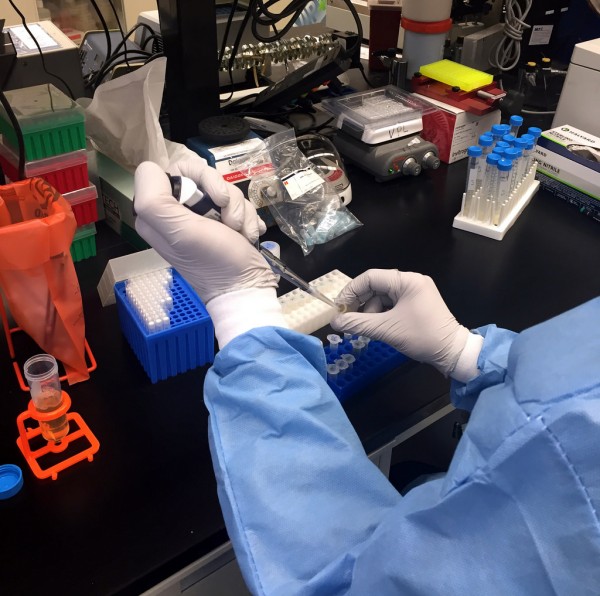
The organization tested the drugs upon three strains of Zika virus: African, Puerto Rican, and Asian. The screening system also utilized a type of protein that induces cell death when contaminated with the virus. After screening approximately 6,000 compounds, more than 100 showed promise.
The next step was to test those on brain cells that had been contaminated with Zika virus to see if they protect the cells. The three primary compounds they found either blocked the virus from killing brain cells or repressed Zika replication. The compounds were emiracsan, cyclin-dependent kinase (CDK), and niclosamide.
Niclosamide is approved in animals and people for fighting parasitic infections, like tapeworms.
Emiracsan is now used in clinical trials for preventing liver injury from hepatitis C disease.
The cyclin-dependent kinase represents an investigational composite with antiviral properties.
In order to cure the Zika virus, a professor of neurology at Johns Hopkins, Guo-Ii Ming, believes that the next step is to test the drugs’ action against Zika in animals.
Image source: Flickr