Yup, you’ve read the title right. 10-core smartphones are going to make their first steps at the end of 2015.
In 2013, MediaTek launched, for the first time, an octa-core mobile processor, and the guys and girls over at Qualcomm called it a gimmick – later that year a Qualcomm representative that goes by the name of Anand Chandrasekher said the exact thing when talking about Apple’s 64-bit A7 chip. Anand was fired, and Qualcomm retracted their statement.
The octa-core mobile processor that was created by MediaTek swiftly gained popularity, and Qualcomm was forced to bite down on their pride and make ones themselves.
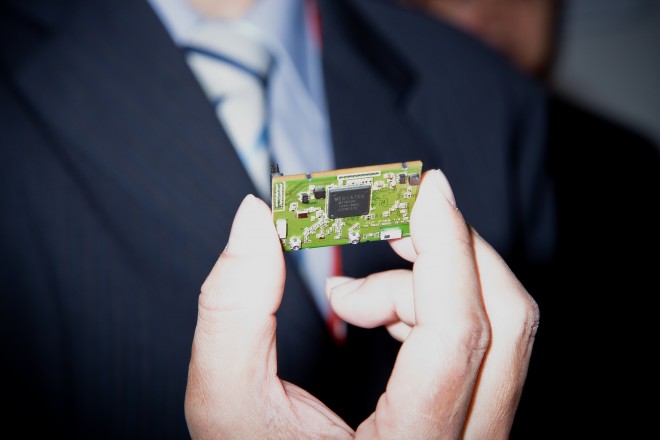
With a clear goal in sight, MediaTek wants to be the first company to release, for commercial use, the 10-core processor in 2016. The deca-core, dubbed the Helio X20 will succeed the octa-core Helio X10 which is already powering Chinese flagship smartphones like the One M9+ and upcoming Asia only releases.
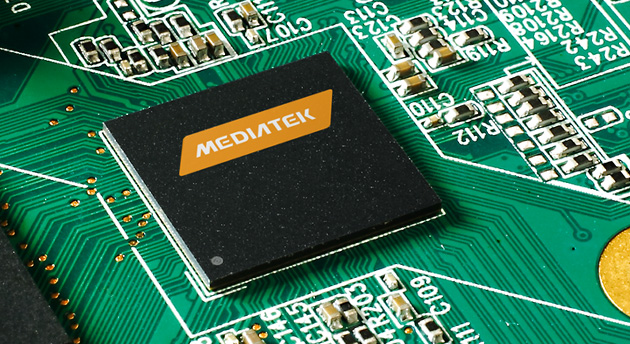
10-cores seem like an overkill at the moment, but nobody knows what requirements 2016 will come with, and one should look closely at Helio X20’s architecture. Its tri cluster of two 2.5GHz Cortex-A72 cores, four 2GHz Cortex-A53 cores and four 1.4GHz Cortex-A53 cores is basically adding two more Cortex-A72 cores to the original eight that Helio X10 sports. It’s not something revolutionary, but it’s a step in the right direction.
But can the all ten cores run simultaneously?
Finbarr Moynihan, MediaTek’s General Manager of International Corporate Sales has stated that ” I think it’s much more likely that it will be a subset of the ten cores but in different configurations, depending on the load that might be on at the same time. In theory, the scheduler can turn on all ten [cores] if necessary; of course, subject to any thermal constraints that the device may have.”
He also analogized the whole thing for everyone to easily understand what they are doing – think of it like adding an extra gear in a car, in order to improve its fuel efficiency across different terrains.
The Deca-Core Processor
“Adding the next-generation modem and the Carrier Aggregation feature specifically, I think, makes this platform relevant on a much more global scale for higher tier and even flagship devices.” the exec added.
We’ll be able to see 10-core smartphones in action at the end of 2015, but they won’t be available for commercial use, and probably still in their testing phase.