Advertisers are tearing up looking at this year’s numbers: as much as $21.8 billion estimated to be lost because of ad blockers. Publishers are pointing their fingers and nodding their heads at the naughty users who are downloading and using browser extensions to keep their screens ad free.
If you haven’t been living under a rock in a cave in the mountains in the last decade, you probably know the internet is saturated with advertising. They’re there before the movie trailer begins, they’re blinking at you obnoxiously when you’re searching for pasta recipes and they even try to lure you in by claiming you’ve won a set of spoons.
So it’s no wonder ad blockers use has spiked in an equal proportion with that of advertisments. Not only a few users feel overwhelmed by ads, with a big chunk of internauts raising their eyebrows at YouTube’s pre roll ads and choosing silent ads on Twitter.
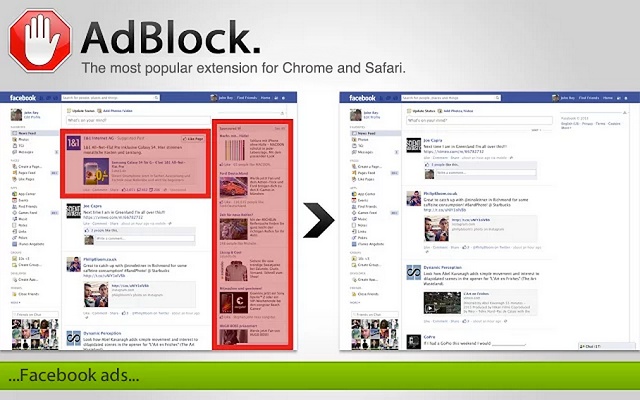
There has been a 41% ad blocking growth in the last year. A quick look at Adobe and Pagefair’s data lets us know 16% of all the users in the United States use ad blockers, while browser extensions have quadrupled in the last two years world wide.
The numbers are even higher in some European countries like Poland and Greece where as much as 34.9% of internet users keep ads at bay with ad blockers.
While Youtube, Facebook and Twitter users enjoy ad free time on their gadgets, publishers are thinking up strategies to regain their lost territories and keep feeding us ads on top of ads. There are the adepts of the tough route: unless you use ad blockers, you’re banned from their site.
Others took a gentler approach, politely asking their users not to install ad blocking softwares. The Guardian‘s approach is one of the smartest. They used their ad banners to let the user know they’ve detected ad blockers.
The banner goes on to ask the users if they wouldn’t mind supporting the Guardian “in another way”. By clicking the link, you can become a supporter.
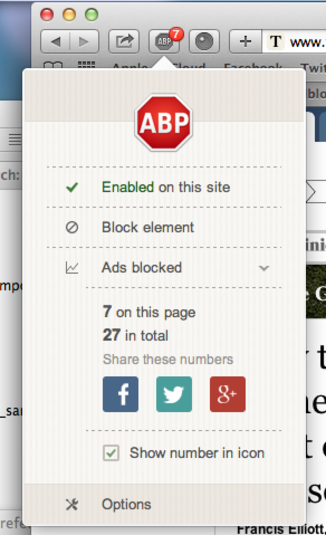
Advertisers seem so hurt (well, they are bleeding money), they feel obliged to remind us we’re sort of breaking an unwritten contract here. We, the internet users, receive free content from them, the publishers, in exchange of tolerating ads. With this broken ecosystem, what’s in store for internet users?
In the long run, we could be looking at ad blockers becoming so widespread the advertisers are compelled to use ads that are less invasive and simpler. We could live with that.

Latest posts by Karen Jackson (see all)
- Intoxicated South Carolina Man Punches Waitress Who Refused to Serve Him Alcohol - June 29, 2018
- Restaurant Manager Arrested and Charged in Shooting Death of Co-Worker over Negative Yelp Reviews - June 20, 2018
- Minnesota Teen Gets Head Stuck In Oversized Tailpipe Winstock Music Festival - June 18, 2018