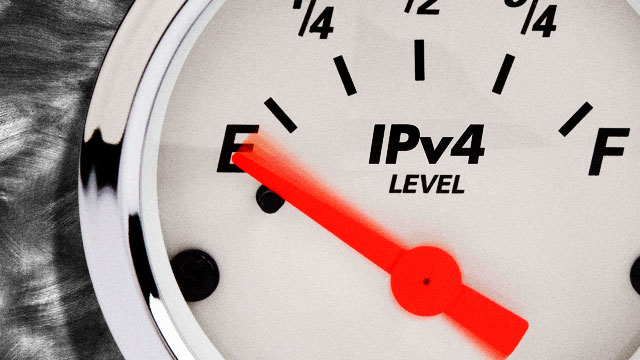
The time has come. North America has finally exhausted their IPv4 addresses. If you’re not aware what this entails, it means that the numbering system which the Internet is based on, sort-of, is running out of numbers allocated for IPv4.
We are on the brink of meeting the new era of networking.
ARIN, which is the American Registry for Internet Numbers, is a non-profit NGO that distributes these addresses for the NA region. They have announced on the 24th of September that it has run out of numbers. Yesterday, the organization assigned their last addresses.
This comes after years of warnings from ARIN and other related companies. The time has come to see who has listened to them. Carriers, enterprises and the majority of the tech industry will need to quickly adopt the next-in-line protocol – IPv6.
In 1981, IPv4 was brought to life with 4.3 billion unique addresses. In 1999 IPv6 was introduced and ARIN notes that this protocol has enough addresses to last Internet users for generations to come.
This doesn’t mean that you can’t get hold of an IPv4 address. If somebody relinquishes his, or hers, authority over an IPv4 address, you’ll be able to take the returned address for yourself. But the waiting list is pretty huge. It has been set up at the beginning of 2015.
Furthermore, if IANA, which is the global Internet Assigned Numbers Authority, gives North America more IPv4 addresses, users will be able to request one. Yet again, firstly you’ll have to wait in line.
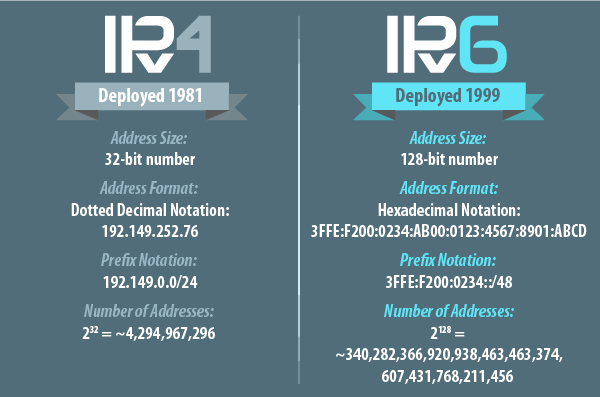
The difference between IPv4 addresses and IPv6 addresses, thanks to ARIN.
If you aren’t keen on waiting, you can take to the transfer-market. There are quite a few users who want to make a quick buck out of this situation. Currently, addresses are going for around $10 to $12 each. Yet, we expect the price for an address to go up once people find out they can’t request one from ARIN.
Quite the tech-shock considering that other Regional Internet Registries across the world, simply called RIRs, have announced that they are also depleting their existing pool of IPv4 addresses at a fairly alarming rate. Until the end of 2015, we might not have any IPv4 addresses available.
The change from IPv4 to IPv6 will definitely cause a huge ruckus for different types of organizations across the planet. The thing is, some companies are waiting for consumers to start using IPv6 so they can also migrate to the new protocol.
It’s basically a chicken-and-egg problem.
However, we have to thank Google and Facebook. In the past couple of years, both companies have gone out of their way to make IPv6 more common. With their continued help, the Internet world won’t reach Bedlam level anytime soon.

Roxanne Briean
Latest posts by Roxanne Briean (see all)
- Former Virginia Tech Freshman Sentenced to 50 Years in Prison for Stabbing a Girl to Death - June 28, 2018
- San Francisco Woman Threatened to Call Police on Girl Who Sold Ice Water for Disneyland Trip - June 25, 2018
- Epping Woman Sentence to 20 Years of Prison for Mutilating Homeless Woman’s Children - June 12, 2018