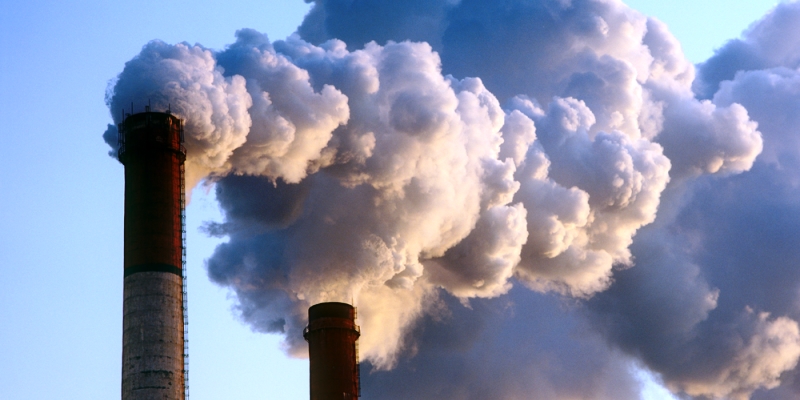
Are you among the 3.9 billion people in this world who live in a city? You might just breathe polluted air, according to the latest report of the World Health Organization’s (WHO).
Not only are you inhaling toxic air, but you’re more likely to develop asthma or heart disease. WHO estimates that more than 80 percent of those living in urban settings exposed to air quality levels that don’t meet WHO’s limits.
The latest Global Urban Ambient Air Pollution report doesn’t bode good news, showing a dramatic difference between poorer and wealthier cities. Among low- and middle-income countries, 98 percent of their cities have heavily polluted air while the percentage drops to 56 in cities of high-income countries.
All of the 3,000 cities included in the report are have populations over 100,000, and WHO has collected information about their air quality. The organization is also responsible for setting air quality guidelines to help keep the level of air pollution under the limit.
This means local authorities are encouraged to take action, because the fine particulate matter that pollutes the air has the potential to pose serious health risk to the cities’ inhabitants, including premature death from asthma, lung cancer, and other diseases.
According to a recent study, air pollution plays a significant role in the death of 5.5 million people annually. Since most of this awful business is not caused by the actions of individuals, the responsibility of air quality control falls on the shoulders of governments.
But there’s also some good news: if concerned governments step up and take action, it’s fairly easy for these cities to increase their air quality.
The report also included data showing that over the 5 years, “more than 50 percent of the cities in high-income countries and more than 33 percent of the cities in low- and middle-income countries [..,] reduced their air pollution levels by more than 5 percent.”
WHO revealed that cities in the Southeast Asian regions and in the eastern Mediterranean have the worst air globally, where air pollution levels exceed five to 10 times the limits set by the organization.
Even though the worst air is usually found in the biggest cities on the globe, there are also smaller cities – like Onitsha, a Nigerian city with a population of 350,000 – which also top the list.
Image Source: Your Story

Latest posts by Nancy Young (see all)
- Missouri Man Robbed by Date and Accomplice in Park - June 22, 2018
- Bose Poised to Launch Sleepbuds, In-Ear Headphones That Help You Sleep - June 21, 2018
- Russia Is Developing a Space Debris Laser to Keep Space Clean - June 15, 2018