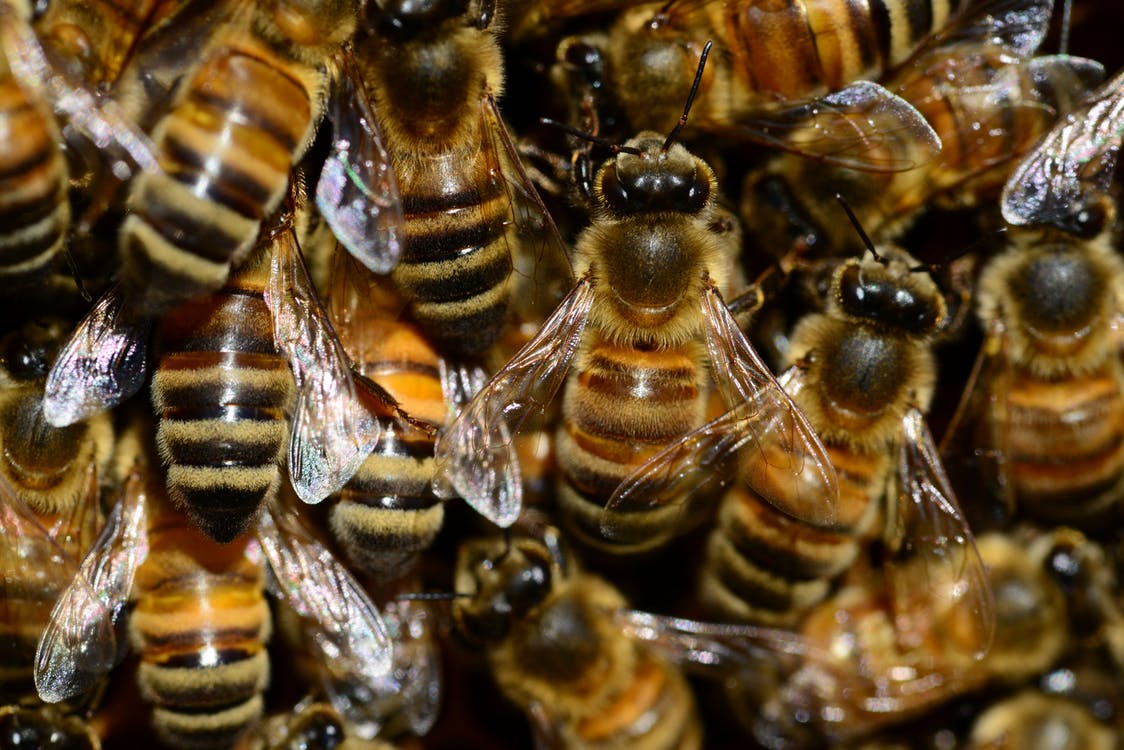
Once again making use of high speed cameras earns great results for researchers as a study reveals that wasps display amazing navigational skills. But it’s not all because the insects have a natural knack of figuring out where they are, but because of the way they scan surroundings and what they can see in order to map the ‘way back home’.
It has been known for a very long time that wasps have a tendency to display strange flight patterns, especially when they leave their nests. Scientists have been puzzled by the zig zagging motions a wasp slowly makes, in an expanding arc sort of fashion, especially immediately after leaving their nest. However, it had not yet been discovered why the wasps display this behavior or what they were looking at as they were doing it.
After 10 years of the unexplainable mystery, researchers were finally able to figure out the meaning of the widening arc flight patterns by employing high speed cameras and studying the body posture and head movements of the wasps as they commence their test trip.
Along with the high speed stereo cameras, researchers also used a panoramic imager to map a 3D model of the environment the wasps were flying in, in order to pinpoint every single point of interest the wasp may have been flying towards. Using those means, the scientists recreated a wasp’s eye view of the world, which in turn ended up elucidating the mystery.
It turns out that wasps fly in such a manner because that is the method they employ to map the environment where the next is located, by literally looking it from numerous angles. They change views during their test flights – literal surveys they make of the location of their nest, with no other purpose than that – and use the differences they experience in order to decide when they have to change direction and begin a new arc in their flight.
They have been also noticed to rely to ground features such as rocks, leaves or other larger formations in order to understand and remember their location and how to return to the nest.
This is an important discovery in the topic as it may help develop tools for ecological neuroscience. There are still plenty of steps of this study left to be taken: bees and ants also display peculiar navigational behavior that may help scientists understand how insects function as well as when and how these competences develop.
Ultimately, understanding how insects navigate may help mankind if they find methods of applying what they learn in future developments of flying robotics.
Image Source: 1

Deborah Campbell