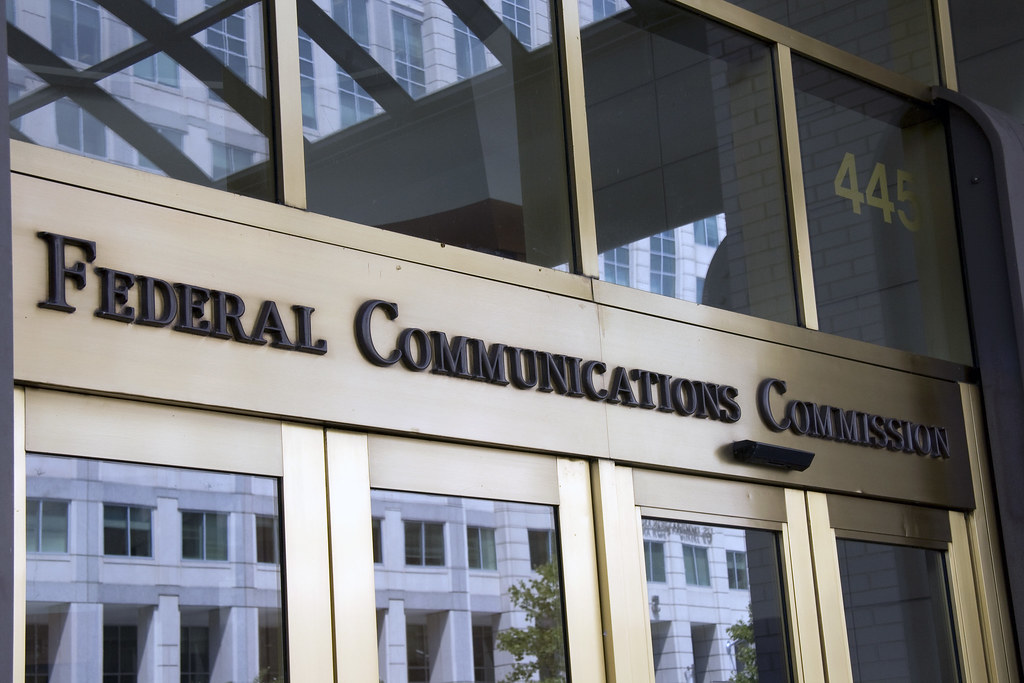
FCC voices serious concerns of zero-rating services.
While the FCC might look and act differently in a few weeks in the upcoming administration, currently the watchdog keep guarding the importance of net neutrality in the current market of diverse options and programs like AT&T’s and Verizon’s zero-rating services.
In the last few years, the practice of zero-rating has gained a lot of steam among major internet and other service providers. It consists in the fact that one company does not the count the amount of traffic of certain apps and other services toward general bandwidth caps. This allows a company to stimulate streaming services while offering clients a reduced price on said services.
However, when things seem too good to be true it’s because they usually are. Using zero-rating services leads to the possibility for a company to benefit from it themselves which is a clear violation of net neutrality rules. In the FCC’s latest report, the organization reveals the process of investigating this very matter in regards to the services offered by companies AT&T and its DirecTV Now, as well as Verizon.
Out of the two companies which have been the subject of the FCC’s investigation, Verizon’s situation isn’t that problematic, at least not yet, unless it decides to expand its zero-rating services to more types of content than just short-form video.
However, AT&T seems to be in deep water with the FCC as the report voices serious concerns about the company’s Sponsored Data program which poses many problems for healthy market competition. Furthermore, the company’s response to previous FCC inquiries has not addressed the initial concerns that its practices violate the General Conduct Rule of net neutrality.
The rule allows internet and other types of data providers to mostly do as they want as long as they don’t develop anticompetitive practices. However, this seems to be the case with AT&T’s zero-rating services, more specifically its DirecTV streaming service.
While the company claims that it offers the same terms for all its zero-rating services, besides DirecTV which acts like a subsidiary company. However, they still maintain a strong connection, so much so, that it’s able to benefit from the zero-rating services and thus get the required bandwidth at a lower price than other companies which have to pay a significant cost for every gigabyte of bandwidth.
Image source: Flickr